



 I want to donate
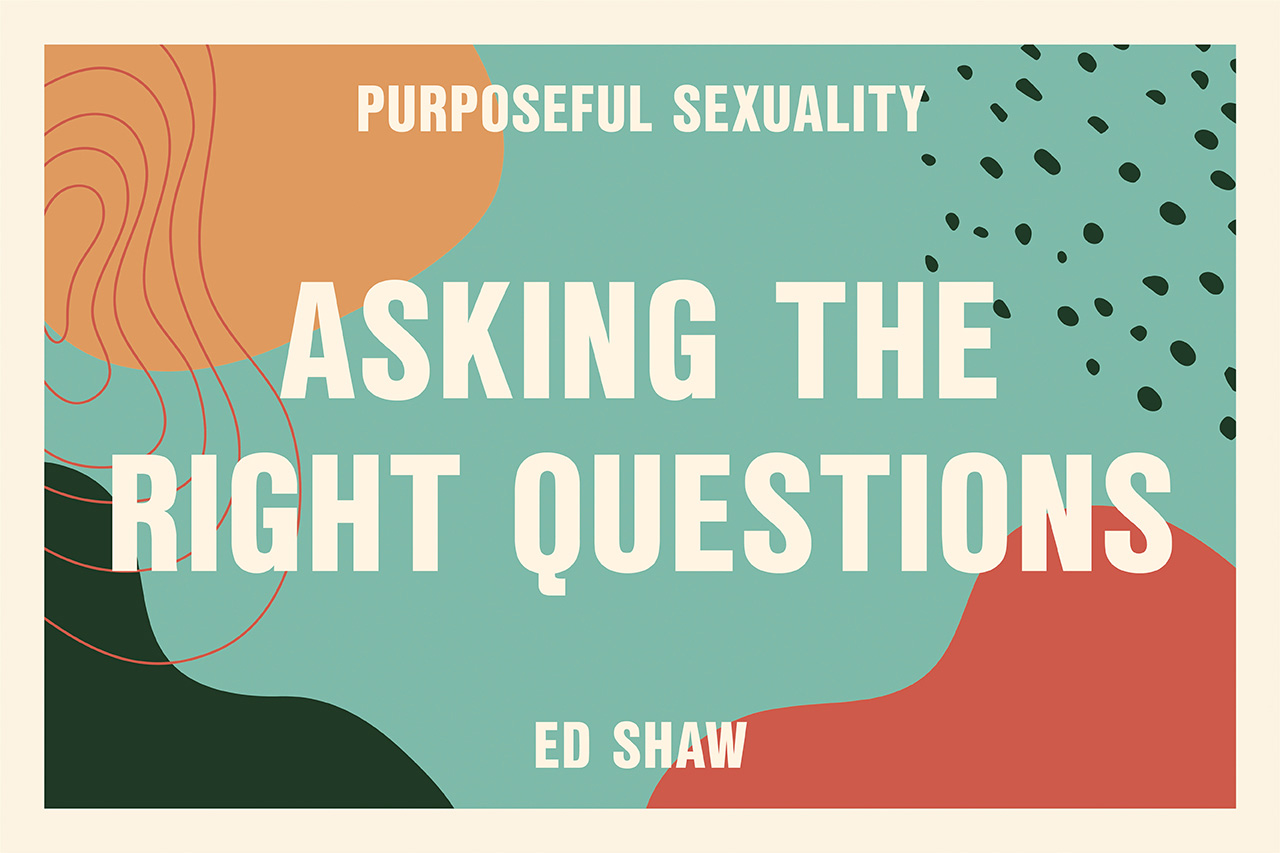
Purposeful Sexuality: Asking the Right Questions
- Tom Creedy
- 1 Jan 2021
-
208views
'Did you ask the right questions?' Friends have challenged me when buying some of the more expensive and important things in life, from a mobile phone contract to a car to a home. My problem is that I haven’t got a clue what the right questions are in those circumstances, so each time I’ve had to phone a friend to help me out. Only then did I get the questions – and answers – I needed.
When we Christians (and other interested parties) have opened up the Bible to find out more about sexuality, we’ve not been asking the right questions. We’ve been preoccupied with questions such as, ‘Who can I have sex with?’ and ‘When can I have sex with them?’ and thought that was all we needed to know. Most of the Christian teaching I received as a teenager revolved around asking and answering these questions (or variations on them) and nothing else really (apart from what actually qualifies as sex). We were taught that we could have sex with someone of the opposite sex (who wasn’t a close relation), but only after we had made a public and lifelong commitment to them in a marriage ceremony. These were clearly and confidently articulated rules, but the reasons for the rules were rarely explained, and as a result they were often ignored. When the question ‘Why?’ was asked, we were simply told, ‘Because God says so!’ in a dismissive way that often failed utterly to persuade any of us of the essential good of his commands.
The right question. But the question that I think we should all be asking and answering instead is a more profound one: ‘What is sexuality for?’ Answering this question will both help us to make sense of what the Bible teaches and what our bodies feel. It will also give us something more positive than a set of rules, as we understand why God reserves sex for the lifelong union of a woman and a man, and how that can be good news for both those who are married and for those who, like me, are very much not. Just think for a moment how, in life, finding out what something is actually for is so often the game-changing moment in appreciating and using it properly. Imagine someone handing you a distinctively shaped cylindrical, trowel-like implement that has, confusingly, no ability to carry any soil. It doesn’t look like much use to you, so you ask, ‘What’s it for?’ And back comes the answer, ‘Planting daffodil and tulip bulbs’. Suddenly it has value; it has a purpose; and you can now make good use of it, knowing what it’s there for. So how would you answer the question, ‘What is sexuality for?’ I guess most people who’ve been Christians for a while will confidently trot off three easy answers that are all good and true:
- Marital union
- Having children
- Sharing pleasure
Now the usual answers [we've cut a bit from the book to fit it in this blog post - ed.] will no doubt sound like good news if you are married to someone of the opposite sex, are able to have children and are enjoying your sex life with your husband or wife. God has given you sexuality for marital union, having children and sharing pleasure, and you are doing all three. Pat yourself on the back (or get your husband or wife to do it for you).
But what if you are married and can’t have children or aren’t enjoying sex? What if you are single and long to express your sexuality, but have all three expressions closed to you because you are not yet married? What if you were married but are now widowed or divorced, yet still have a living and breathing sexuality? What if you are never going to get married because you are sexually attracted to your own sex and believe that, as a Christian, same-sex sexual relationships are not open to you? These answers are not such good news for you – more of a slap across the face than a pat on the back.
One of the most memorable conversations of my life was with a student I was mentoring over a decade or so ago. He said something like this to me about his struggle to embrace his sexuality towards the end of his teens: ‘Why can’t God just zap people with a sexuality on their wedding day when he finally allows them to use it? Why give them sexual feelings they have to repress and feel guilty about until the day they get married and are finally allowed to experience what our sexuality is there for?’
Can you imagine the silence that followed this outburst, spoken with quite a lot of feeling? I was stumped by his powerful questions. If sexuality is just for marital union, having children and sharing pleasure with our husband or wife, why are we burdened with sexuality until we are allowed to express it properly? He’d made what felt like a very good point. And what about those of us with a sexuality that we’ll never get to express in marital union, having children or sharing pleasure with someone of the opposite sex? He thought that things were bad enough for someone like him. What about someone like me?
Just having these much repeated answers to the question ‘What is sexuality for?’ is so unsatisfying for so many people. It’s why so many of them have walked away from the Bible’s teaching, from historic Christian sexual ethics. It may be why you are wobbling in your beliefs and behaviour or feeling unable to embrace Christianity for the very first time. To be given such powerful feelings and then to be told that you can never enjoy or express them in any way seems to be both cruel and unliveable.
It is cruel and undoable. To answer the key question ‘What is sexuality for?’ with just these answers – however good and true they are – is to set everyone up for a fall, because these answers are not the whole truth. They are not good enough in and of themselves. God has so much more to say on the subject.
This blog post is an edited extract from Ed's new book Purposeful Sexuality: a short Christian introduction. Ed's previous book, The Plausibility Problem, and a bunch of other resources, are available now, whilst Purposeful Sexuality publishes on the 21st of January 2021, alongside a couple of other books.
Related Posts
Categories
Recent Posts
3
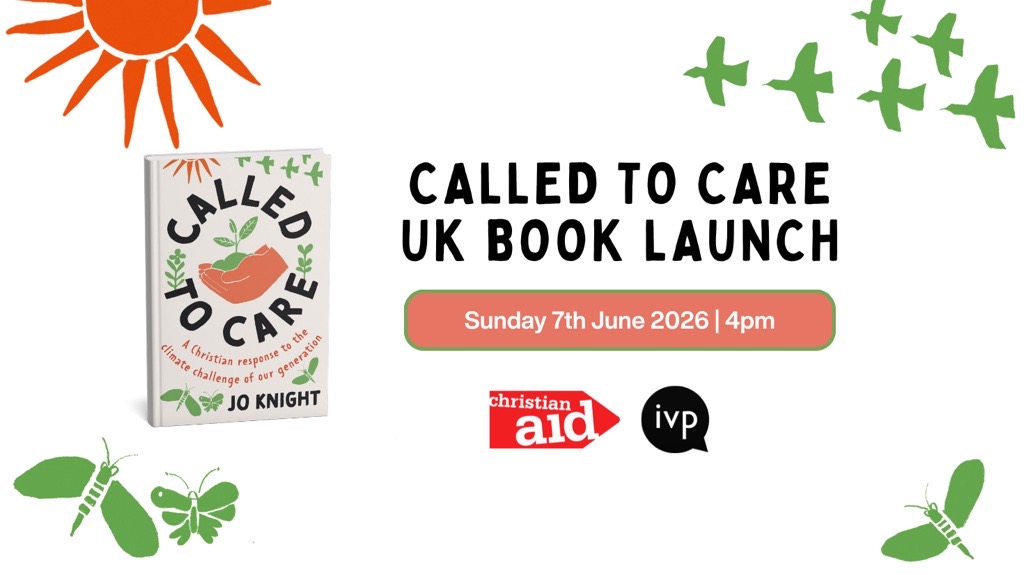
UK Launch of Called to Care by Jo Knight
28 May 2026
4
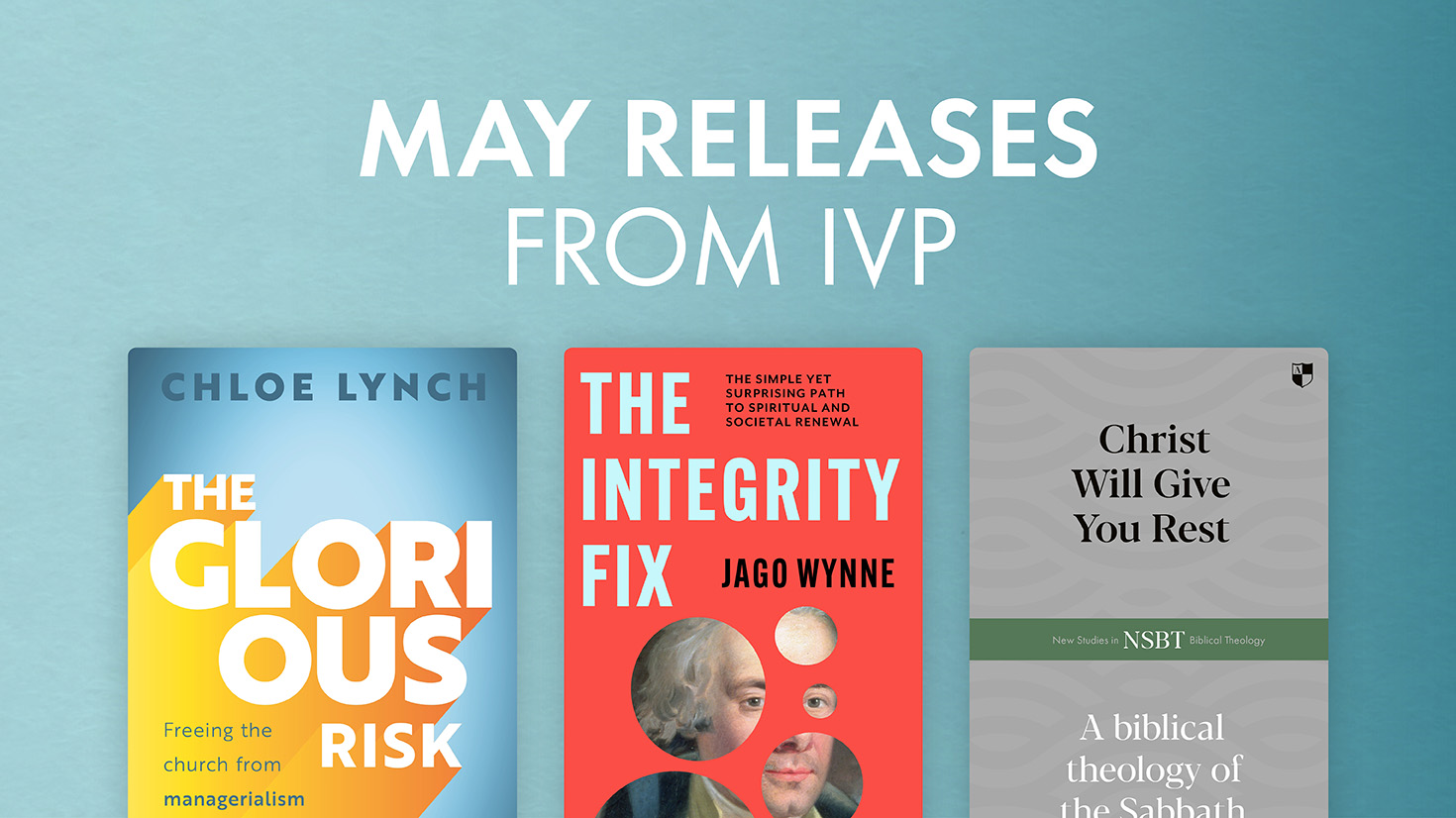
May New Releases
18 May 2026
Support IVP with your donation
Either donate with a one-off donation or subscribe monthly.
Choose a type of donation
I want to donate
 I want to donate