


 I want to donate
Why Amy Orr-Ewing still Trusts the Bible
- Book Extracts
- 29 Sept 2020
-
205views
I will never forget the early-morning experience of getting off a train in the middle of China at four and making my way to a rendezvous with three Chinese church leaders. Our team were delivering bags filled with Bibles, which were to be distributed among the churches further north. When our Chinese friends unzipped the bags and looked inside, tears flowed down their cheeks. Those books were so precious to them that they were even prepared to risk imprisonment and persecution in order to get hold of them.
I found it intriguing that the Bible should inspire such sacrifice and courage in the hearts of those who wanted to read it. In many countries of the world, the Bible is contraband. Smuggling operations exist with the sole aim of getting copies secretly across closed borders and into the hands of those who want to read them.
But why is the world’s bestselling book rubbished by so many?
Have you ever had the experience of someone turning to you and asking, ‘You don’t honestly believe all that stuff, do you?’ I remember desperately searching for something credible to say when a friend came straight out and asked me, ‘Noah’s ark – do you believe in that?’ I managed a feeble ‘Yes’, which was met with scorn and laughter by the group I was eating with. I’m sure many of us can identify both with being asked questions about the Bible and with asking them ourselves.
After that early experience of finding myself speechless, I became determined to look for answers that would satisfy.
Would the Bible really stand up to tough questioning?
That is what this book is all about. Many great books have been written by theologians, with the aim of giving clear answers to the questions that sceptics often ask about the Christian faith, such as ‘Why is there suffering in the world if there is a God of love?’ or ‘Hasn’t science proved that there is no God?’ or ‘What about all the other religions?’ In these discussions, there is usually also a question along the lines of ‘Can we really trust the Bible?’ While the answers given are extremely valuable, I have found that all sorts of questions are raised about the Bible – each of which deserves a good answer in and of itself. I have taken the ten that have been asked most frequently in my experience and I have attempted to look for some answers. All the reflections offered here have been discussed in a simplified form in real-life conversations, although each chapter will also be exploring the bigger ideas behind the questions to place answers in an even broader context.
My search for answers led me to study theology at university. But in my wildest dreams as a student at Oxford, I never thought that one day I might have to defend my Christian faith before the dons of the university. That is, not until February of my final year. I was reading Theology at Christ Church, preparing for finals, when one night I dreamed that I would be vivaed for my degree! A viva voce is an oral examination that involves appearing before a panel of examiners and defending what you have written in your final exams. This particular form of torture is usually reserved for examining doctorates. But sure enough, a couple of weeks after my degree examinations were finished, towards the end of June, I received a phone call letting me know that I was required to appear before the Theology Faculty, so that I could ‘answer a few questions’. The date of the viva voce happened to be the day before my wedding no less! During my interview with the professors, I was asked a number of questions about my personal Christian convictions. But one in particular stands out; I remember it as clearly as if it happened yesterday: ‘You don’t honestly mean to tell us that you think Jesus actually said the words recorded in the Gospels, or, for that matter, that the events recorded in the Bible really took place?’
My first impulse was to reply by asking, ‘On what basis do you assume out of hand that Jesus did not say those words?’ The astounding prejudice demonstrated then by highly educated people draws our attention to the scepticism with which the Bible is now treated by many people in all walks of life. A conviction that the Bible must be unreliable, held by those a few decades ago at the highest level of academic excellence, seems, in turn, to have been embraced at a popular level by many people who have barely glanced at the Bible, but feel sure that it is not to be trusted. My viva became the first of many occasions when I have been involved in defending the intellectual credibility of the Bible, and, indeed, the credibility of the Christian faith, in different settings. I later went on to complete my doctorate in Theology at the University of Oxford and to experience another, much friendlier, viva. As I travel and answer questions about the Christian message around the world, I find that, time and time again, although the experts may tell us that people are not interested in truth any more (and certainly not authoritative texts such as the Bible), questions about the Bible do come up.
Initially I was surprised by many of the questions that were articulated. They were less about facts and evidence, and more about ethics and interpretation. These questions contain nuances of pluralism and relativism, the sexual revolution and anti-authoritarianism. All the questions addressed in this book have been posed by real people, on multiple occasions, in different cultural contexts. I have found myself personally confronted by these questions too, and I hope that seekers of truth will find the reflections and observations offered here helpful.
After more than twenty years of working in the field of Christian theology, I have become convinced that if we are able sensibly to answer the concerns of the truth-seekers we come across, many will come to faith in Jesus Christ. For this reason, I want to address the ten questions I am most commonly asked about the Bible, refreshing the work that I did in my original book Why Trust the Bible? more than fifteen years ago with new insights and updated responses.
Dr Amy Orr-Ewing
If this extract has piqued your interest, why not continue investigating whether trusting the Bible is just a matter of picking and choosing what and who to believe? Amy's Why Trust the Bible? can be ordered now, and is one of the IVP October 2020 Releases. Below you'll find some other books that might help you think through questions of meaning and the Bible's trustworthiness.
Related Posts
Categories
Recent Posts
3
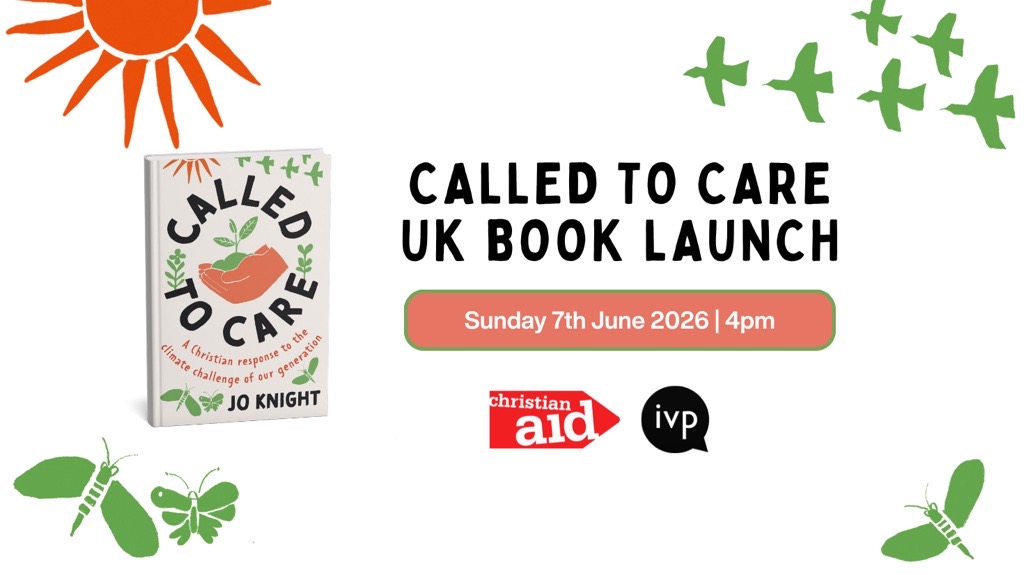
UK Launch of Called to Care by Jo Knight
28 May 2026
4
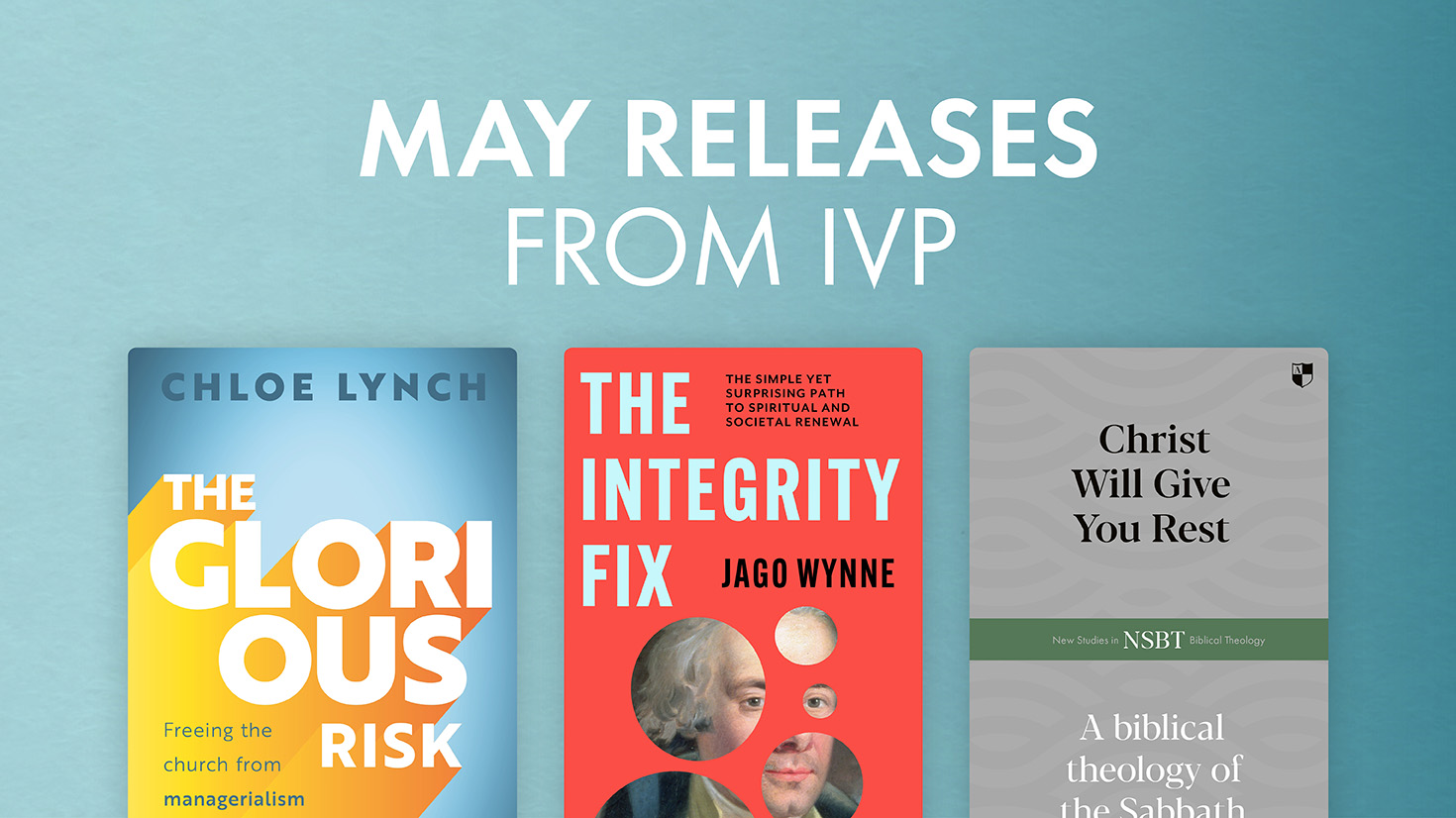
May New Releases
18 May 2026
Support IVP with your donation
Either donate with a one-off donation or subscribe monthly.
Choose a type of donation
I want to donate
 I want to donate