




 I want to donate
What's on your Christmas list?
- Christmas
- 11 Dec 2019
-
80views


---
- Baubles painted with shimmering snowflakes
- Mulled wine and warm mince pies
- Handel’s Messiah
- Santa Claus and his (red-nosed) reindeer
- A soak in a bath with relaxing salts
- Lighting a candle and pausing to enjoy it
- A solitary walk in the crisp air
- Ten minutes of deep breathing
Which list best represents your Christmas? In recent years, both have come to reflect important aspects of mine.
You see, Christmas – when we Christians celebrate the lowly birth of our Saviour – has become loaded with expectations. We will all sing carols with hearty voices, spreading good cheer to all around us; be social butterflies at big family or church gatherings; and eat lots, exchange gifts, and play silly games … always with a smile and a ready laugh.
But the reality is that Christmas can be hard. Very hard indeed. For those who have lost a loved one during the year just past or perhaps many years before; for those who will spend Christmas alone; for those experiencing financial difficulties and worry about the cost of the food and gifts they have bought; for those who are physically ill and have recently received a poor prognosis; for couples who feel the pain of childlessness in a family focused holiday; and for those, like me, who struggle with mental health issues.
It can all seem a bit too much, can’t it, when the darkness of depression is already overwhelming? Or when social anxiety makes parties and crowded shopping malls seem terrifying? Or when you have an eating disorder and have to consume ‘fear foods’ in front of others?
This is why self-care has become so critical to my personal Christmas survival strategy. I live with schizoaffective disorder which causes extremes of mood (primarily depression) and psychosis (a separation from reality). For me, self-care at Christmas means not saying yes to every invitation to events which I feel may be stressful; making sure that there is a ‘quiet room’ that I can retreat to for time out from busy family gatherings; having an agreed signal with whoever is driving that I need to leave if my thoughts are getting out of control; and doing lots of nurturing activities – like a candlelit bath or some mindful breathing exercises – when I have free time.
Taking time out to care for our needs, including mental health needs, is consistent with biblical teaching. Do you remember the story of the prophet Elijah in 1 Kings 19? He was severely depressed and prayed, “‘I have had enough, Lord…Take my life; I am no better than my ancestors.’” (v4) But God did not let him die; instead, he tended to the most basic of Elijah’s needs, making sure that he got plenty of rest, and sending an angel to bake bread and bring water for him. Sometimes, too, when we are struggling, we need to get right back to these basics, making sure that we rest well and get simple, regular meals – even if that means skipping some of those Christmas events filling our calendars.
Self-care at Christmas also means returning again and again in the midst of the lights and the noise to the One whose birth all this is meant to celebrate. I believe that the best Christmas list of all is found in Isaiah 9:6: “For to us a child is born, to us a son is given, and the government will be on his shoulders. And he will be called…
- Wonderful Counsellor
- Almighty God
- Everlasting Father
- Prince of Peace.”
This list of the names which that tiny baby Jesus will grow into should bring us comfort and hope. We have a Counsellor whose wisdom is wonderful beyond that of our mental health professionals; we have a God who is mighty to restore us from brokenness to completeness; we have a Father whose love for us will last forever; and we have a Prince who comes to bring peace to our troubled minds.
So let us keep Jesus at the centre of our self-care strategy. Join me this year in quietly lighting an advent candle, listening to sacred music, placing a nativity scene on the hearth … and praying to Immanuel, God with us, who knows our struggles intimately, wants us to share them with him, and truly cares.
“Cast all your anxiety on him, because he cares for you.” (1 Peter 5:7)
Of course, sometimes it does all become too much. Despite our best efforts to care for ourselves, and even though we know we celebrate the birth of an all-powerful Saviour, mental illness can drag us down. It doesn’t mean that our faith is not great enough, nor that we are not trying hard enough – it simply means that we are unwell and in need of help. In case this happens, we should always have another list close by. This is a list of important numbers to call in crisis:
- a ‘safe’ friend or family member who understands our condition
- your Community Psychiatric Nurse or counsellor
- your GP and the local Out of Hours Service
- The Samaritans (116 123) or a local mental health helpline
With each of our Christmas lists to hand, it is my prayer that we will not only survive Christmas this year, but that this time of remembrance and celebration will bring blessing and hope.
“The people walking in darkness have seen a great light; on those living in the land of deep darkness a light has dawned.” (Isaiah 9:2)
Dr Sharon Hastings is passionate about creating greater awareness of what it's like to live with severe mental illness: she has schizoaffective disorder and she's always striving to increase understanding and hope while reducing misinformation and stigma. A lover of music, the sea and books, she lives with her husband Rob, two dogs and a one-eyed cat in the beautiful seaside town of Newcastle, Northern Ireland. Wrestling with My Thoughts is her first book.
Related Posts
Categories
Recent Posts
3
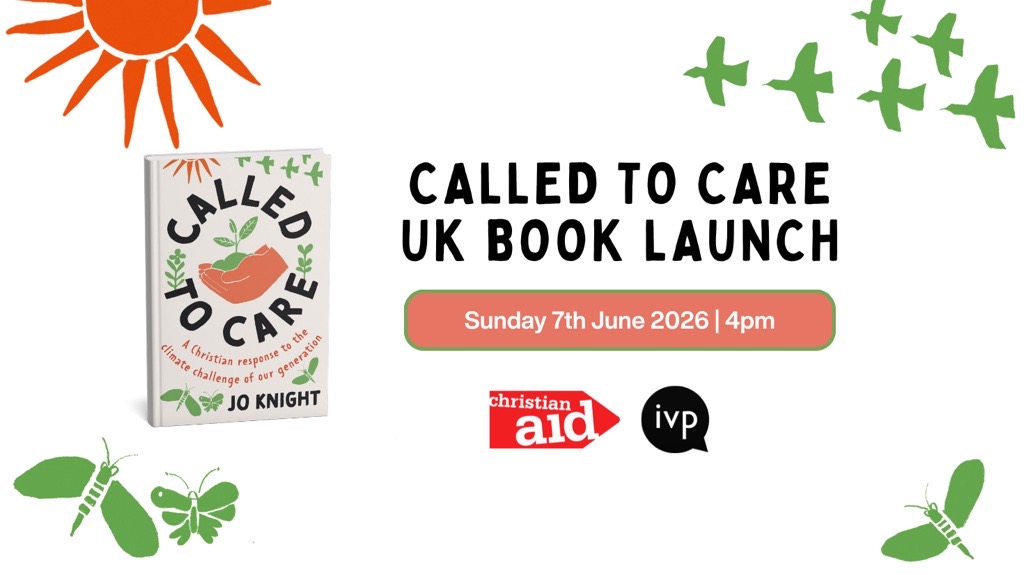
UK Launch of Called to Care by Jo Knight
28 May 2026
4
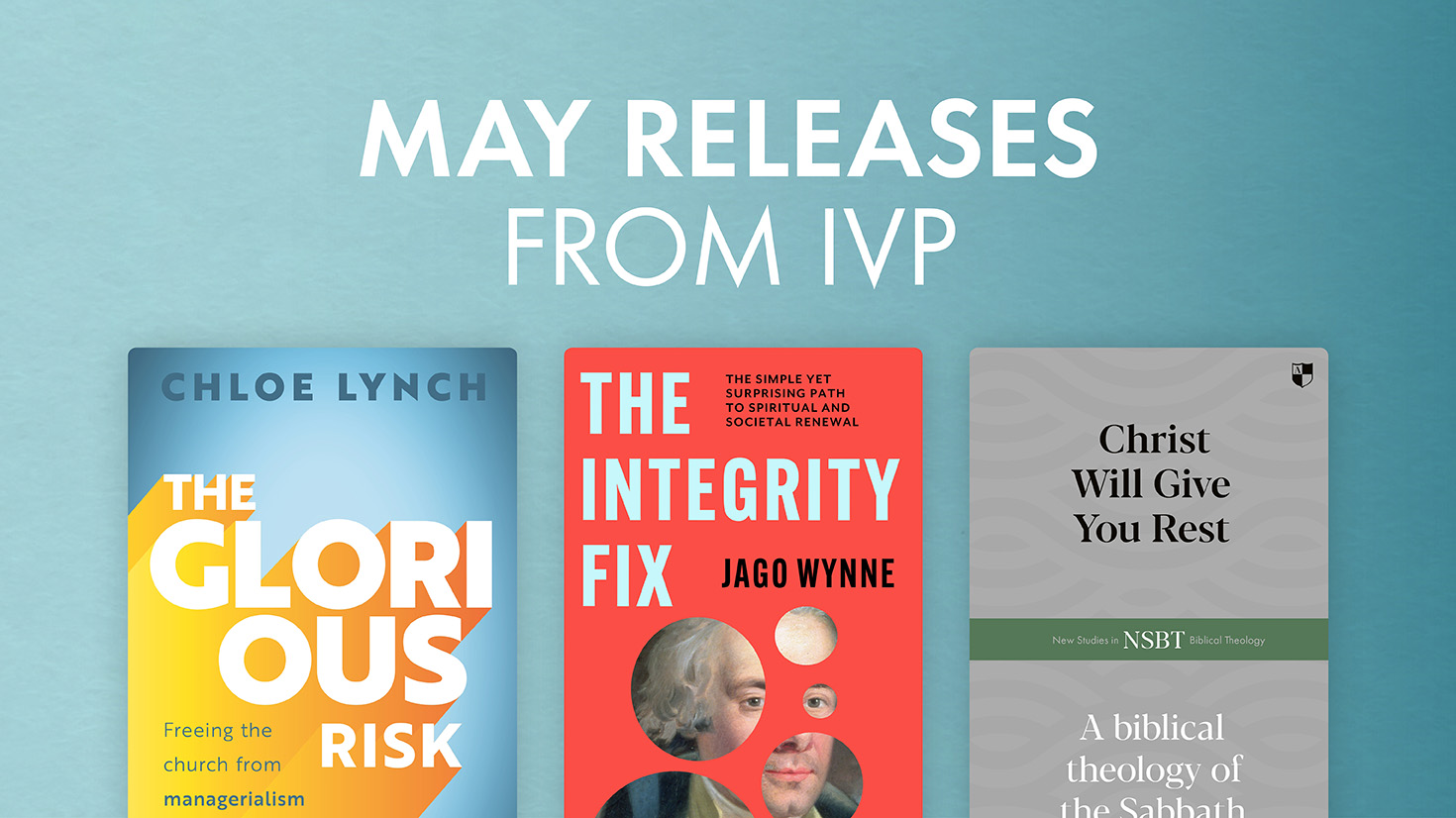
May New Releases
18 May 2026
Support IVP with your donation
Either donate with a one-off donation or subscribe monthly.
Choose a type of donation
I want to donate
 I want to donate