


 I want to donate
Learn to Live Wisely – an invitation to a journey
- New Releases
- 11 Jun 2020
-
182views


When I was just ten years old, I set out with my father on a week-long road trip. As we began our journey, I had only a general notion of where we were going and what we would be doing, but there were many unanticipated adventures along the way that I can still remember decades later. How much I learned on that trip, and how I enjoyed that special time with my dad! In many respects, what I experienced as a young boy is what I hope will be the experience of those who read my book on ‘the message of wisdom’. You likely have a general sense of what wisdom is, and perhaps you have heard sermons and lessons taken from some of the wisdom texts in the Bible. However, there is so much that the Bible says about this theme that remains to be understood.
I certainly do not know all that the Bible teaches about wisdom, but I would like to share some of what I have been able to learn as I have studied it for a number of years. The more I have read, preached and taught on biblical wisdom, the more I have come to understand what the Lord desires for his people as they learn to live wisely as he intends them to live. The three Old Testament books of Proverbs, Job and Ecclesiastes are often referred to as the wisdom books of the Bible. Numerous excellent commentaries have been written expounding each of these books, and there are also a number of fine volumes that expound what they as a group of wisdom texts teach.1 Biblical wisdom, however, is not limited to these three books, but actually is a theme that pervades much of the Bible. The present work on the message of wisdom endeavours to trace this important theme, beginning in the book of Proverbs. It then expands into other parts of the Old Testament that speak of wisdom, including passages from the law, from history, from prophecy and from the Psalms. It discusses how wisdom in Proverbs connects with Job and Ecclesiastes, and then it extends into the New Testament to view how wisdom is presented in the life and person of Jesus, and in several of the epistles.
This broad discussion is an exercise in biblical theology, which views the themes of the Bible in a synthetic fashion, and it complements the analytical approach that is typically featured in commentaries on specific books of the Bible. One of the distinctive convictions of The Bible Speaks Today series is that God speaks today through the Bible he inspired. In keeping with that proper emphasis, in this volume I have not so much spoken about wisdom as presented key passages of Scripture as they elucidate wisdom.
My goal is to guide readers so that they can understand what God teaches about wisdom through his Word. At times, I will provide information to assist them in understanding the texts, but mainly I want the Scriptures to speak for themselves, because, as Paul says to Timothy, it is the Scriptures ‘which are able to make you wise for salvation through faith in Christ Jesus’ (2 Tim. 3:15). The initial thoughts of what I have written in this book can be found in a two-page note that I composed for the NIV Zondervan Study Bible. In the present book, I have taken that earlier sketch, developed it in detail and added colour to the picture. In the first part, we investigate the concept of wisdom as it is presented in the book of Proverbs, with expositions on passages from Proverbs 1, 2, 8 and 9 teaching what wisdom is and how it calls out to human beings to follow its path. In the second part, we delve into how wisdom is presented in various contexts in the Old Testament, as we look at passages from the law (Deut. 30), history (1 Kgs 3 – 4), prophecy (Jer. 8 – 9) and Psalm 112. The third part takes us back to the book of Proverbs, as we take a topical approach to learn how wisdom affects our conduct in our work, our speech, our decisions and our righteous living.
There is complexity in the biblical message of wisdom, as we see in part 4 as the prominent theme of retribution in Proverbs is balanced and qualified in the books of Job and Ecclesiastes. In the final part, we examine the culmination of wisdom in the New Testament, where we learn that Jesus is the master teacher of wisdom and the source of all wisdom, and we are challenged to live by God’s wisdom rather than falling into folly. Throughout the Bible, we are constantly challenged to learn God’s wisdom, to live God’s wisdom and to love God’s wisdom. My prayer is that these studies about the message of wisdom will have that effect as the Bible speaks today to us...
At IVP, we are passionate about opening up the Bible to help Christians live wisely. Have a look at the resources below for inspiration.
Related Posts
Categories
Recent Posts
3
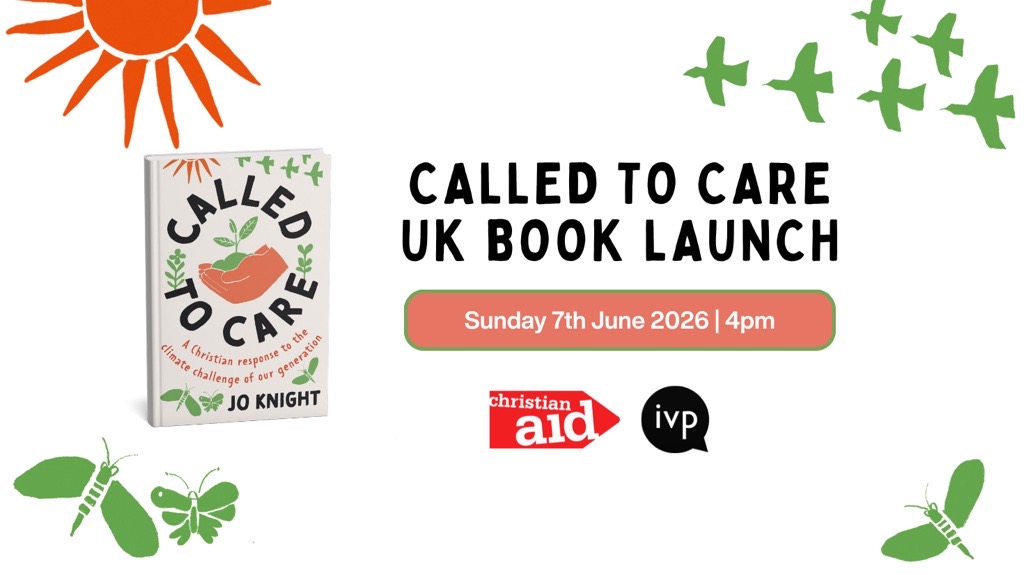
UK Launch of Called to Care by Jo Knight
28 May 2026
4
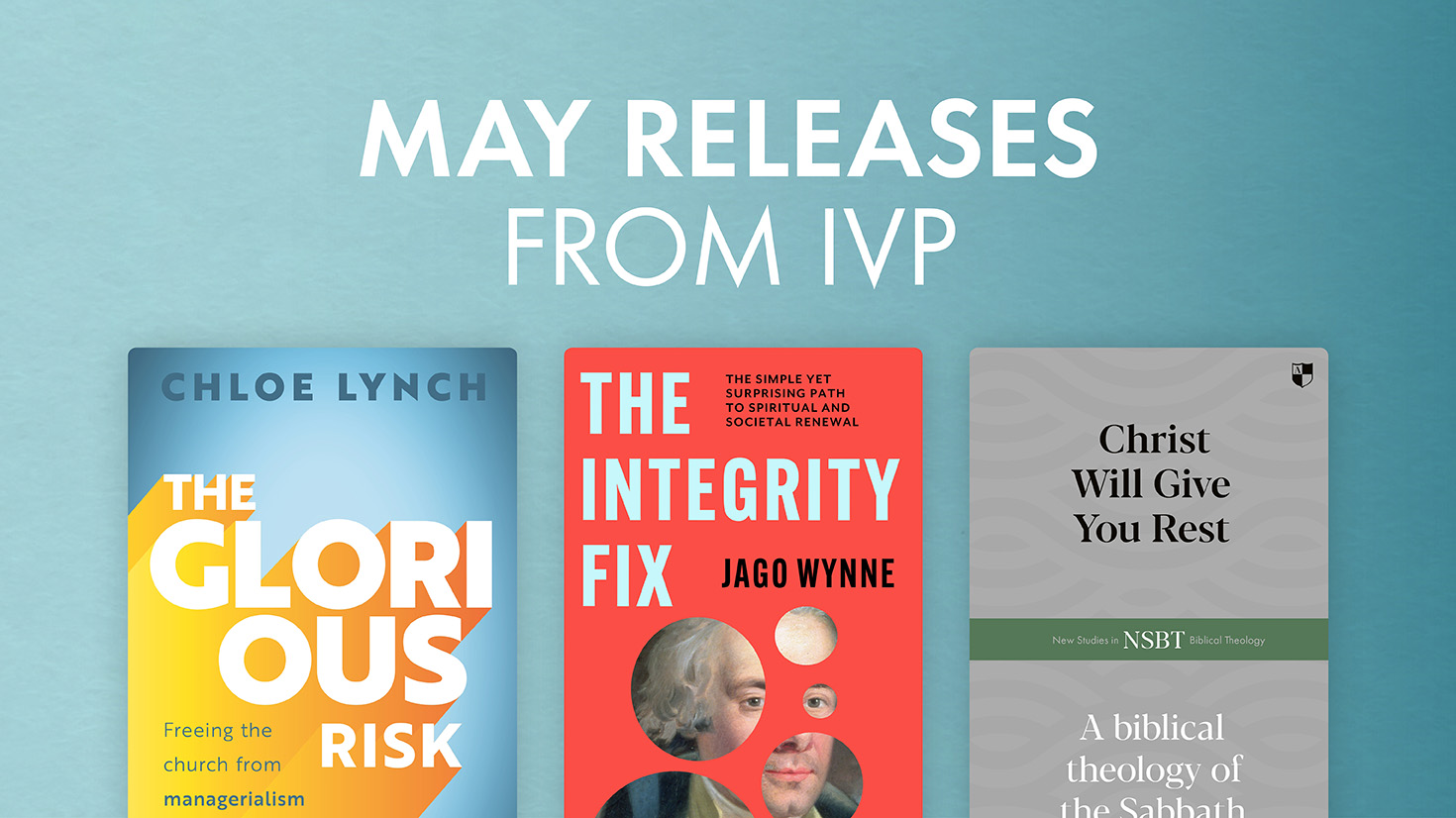
May New Releases
18 May 2026
Support IVP with your donation
Either donate with a one-off donation or subscribe monthly.
Choose a type of donation
I want to donate
 I want to donate