


 I want to donate
Guest Post: On Faith and Addiction
- Tom Creedy
- Mental Health
- 18 May 2022
-
193views
This is the age of addiction. We are more addicted than we have been at any other time on human history. According to the World Health Organisation over 12.5% of the world population are addicted to drugs, alcohol or smoking. This compares to 8.2% ten years ago. Personally, I don’t believe them. I’m with psychiatrist Lawrence A. Peltz who says we’re all addicts. Peltz writes, “Even if we don’t become hooked on alcohol, cigarettes or other drugs, we rely on different things to avoid pain and cling to pleasure. Whether it’s eating, sleeping, gambling, exercising, reading, shopping, watching TV, surfing the internet or having sex almost any activity can become an addiction”[1].
I am an addict. I’m addicted to all kind of things. My phone, caffeine, attention, popularity, social media, art… and more. I could say more about that. I’m sure you’re wondering but for now I want to write more broadly about addiction. Not all addictions are bad. Some may have positive consequences like being hooked on the gym or an obsession with reading. Others may even be healthy like craving for fruit but some will lead to unwanted habitual behaviour, substance abuse, harmful or destructive thought patterns and life-long changes in how we think and behave. Addiction changes us, forever. Not all addictions are obvious. We may live for years without realising we have an over dependence on social media, coffee or something seemingly benign like hugs or words of affirmation. Often, it’s only when we are placed in a situation where these things are denied we notice how much we need them. If you don’t believe me just try living without caffeine or sugar for a week.
It took a global pandemic and months of enforced isolation for me to realise I was an addict. Like many I have been nurturing addictive patterns most my life. Mine was a more subtle addiction. Not drugs, booze or smokes but one of those lesser known types where you get addicted to a certain cycles of behaviour. Unwanted behavioural dependencies have only recently been recognised as a form of addiction and the harsh reality is more of us have them than we realise. That irritating habit you can’t seem to shake. That private impulse that has become routine. Even those dirty little secrets we like to belittle as excusable sins can be a sign of addictive behaviour. I freely admit I was stuck in a rut and it felt like I had lost control of my life. Something had to change or I was on a fast track to ruin. For me, it was only in seeing my dependencies as addictions that I could access the resources and help I needed to change.
How to Define Addiction?
To define addiction in singular terms is to undermine the individual challenges addicts face. But it’s not just about getting hooked on substances like drugs, alcohol and cigarettes. The WHO’s definition of an addict also includes those who engage in behaviours that become compulsive and often continue despite harmful consequences. In this way addiction can be understood not just as something you put into your body but something that commands the way you act and speak. Such understandings of addiction come close to Christ’s words in Matthew 15, ‘it is not what goes into the mouth that defiles a person, but what comes out of the mouth; this defiles a person.”
Defining addiction is problematic and I have always found is more helpful to describe it. Yet even here there are as many experiences of addiction as there are addicts and any kind of abstract universality would misrepresent the various expressions and experiences of those who live with it. Some will ask why you don’t just stop? In a rational moment of sobriety most addicts would ask the same question. It’s almost like having two selves that fight internally for control: the animalistic verses the rational. At times, it feels the wolf is constantly at the door.
In Alaska there’s a tradition for hinting wolves by placing a blooded knife in the snow. Catching it’s scent the wolf is drawn to the blood, unaware that a chemical reaction has already triggered in his brain enticing him closer. The more he smells the blood the greater the impulse urging him forward, blocking out every other instinct until he is satisfied with a kill. So enraptured in frenzy, he will lick the knife without realising he is now tasting his own blood until, eventually, he is destroyed by his own lust for blood. T
In addiction circles we speak of triggers. The wolf isn’t destroyed when he licks the blade. He is doomed from the moment he catches the scent. The frenzy of addiction doesn’t begin with the needle in arm or bottom of the whisky glass. It starts with the scent. In this way a perfectly reasonable, rational and godly human being can destroy their life on the whim of a trigger.
Christians Don’t Get Addicted, Do They?
Yet Christians aren’t supposed to get addicted, are we? Let alone Christian leaders? Imagine my shame when I realised what had begun as repetitive behaviours in childhood had developed into a lifelong dependency beyond my control. It took me a long time to admit to myself I needed help and even then it has taken two years of therapy and prayer to turn things around. I am deeply thankful for close friends and family who have walked with me during this time. It was only in admitting a need for help that God opened a door and healing could begin.
I am not alone. More of us are realising we are addicts. Indeed it seems the world is split between those who are recovering from addiction and those who don’t yet realise they need to. Paul wrote, God will not tempt us beyond what we can bear (1 Cor 10:13) yet I felt like every day was a struggle against forces beyond my control. I identified better with the Psalmist who recognised the reality our sin is always before us (Ps 51:3) or Paul who wrote, I know that good itself does not dwell in me and I have the desire to do what is good, but I cannot carry it out (Rom 7:18). Only the most deluded Christian thinks himself immune from addictive temptations. We are all, after all, subject to the same trials and anxieties as the rest of the world or did Paul’s pen slip when he wrote all have sinned and fallen short of God’s glory (Rom 3:23), even to call himself the worst of sinners (1 Tim 1:15)?
Twelve Steps
This baseline acceptance of our need for external help is the foundation of Alcoholics Anonymous. In 1935, recovering alcoholic Bill Wilson started meeting with his buddy Dr. Bob Smith in an upstairs room of a church in Ohio. Together, they founded AA based on the twelve steps programme, committed to the belief that it is only in accepting help from God that a path to recovery can begin. Bill and Bob’s twelve steps begin by admitting we are powerless over addiction – that our lives have become unmanageable. Then to turn our will and lives over to the care of God.
I would recommend the twelve steps programme to anyone caught in addiction. Frankly, I can’t think of many better models for repentance and forgiveness. Imagine how church life (and life in general) might be different if we were all to admit our lack of control, need for help and made amends, where possible, to those we had hurt, even to ourselves?
Living With Addiction
I am an artist. I have found painting helps in addiction recovery. There’s a wildness within me that seeks the thrill often promised by addiction. But painting offers a different kind of wildness. Something more positive and life affirming and it helps. My recovery from addiction has taken me as much to the wild places of Scotland with paint and brush as it has also found me kneeling by the bed, weeping with bible in hand. Just as we seek to root out the addictive patterns so they need to be replaced with something equally potent but creative and life giving.
Whilst I have been confronted with my unwanted addictive behaviours as a Christian I have been deeply humbled, admitting failure and needing help. Yet I am thankful for the dependency it has taught me on those around me and on God. Recognising my lack of control has led to greater empathy with those who think very differently from me. I would never ask for addiction but I am strangely thankful for what it has taught me. In His grace I may even be a godlier man for it.
Sometimes people say they hope to be cured from addiction but I’m not sure this is the most helpful way of thinking about it. I prefer to think of it more as a recovery journey than say I have been healed. I have never met an addict who said they have been completely released from the longing or impulses. Maybe there are some out there but the more normal trajectory is learning to live with addiction rather than seek escape from it. For many, seeking escape from pain is where the problem started in the first place. I no longer ask for the Lord to deliver me from addiction but to help me see His grace through it. As Reinhold Niebuhr put it so well in his serenity prayer, often used in AA circles, grant me the serenity to accept the things I cannot change, courage to change the things I can, and the wisdom to know the difference.
Alastair Gordon is an artist and author of Why Art Matters, published by IVP last year. He is co-director Morphē Arts, a mentoring charity for artists of faith. His writing features in various art journals and magazines. You can find his painting online and Instagram at @alastair_gordon.
What are you addicted to? Ally's book is one that at first glance might not easily connect, but Art can often provide a foil to addiction. We've got some other titles that you might find helpful:
- Addicted to Sex? Jesus, Lover of My Soul will reset your relationship to Jesus and challenge what that means for your sexuality, particularly around pornography.
- Addicted to Power? Marcus Honeysett's Powerful Leaders offers a cautionary read for those in leadership, with practical application for those of us worried about a leader.
- Addicted to Stuff? Ruth Valerio's L is For Lifestyle is a challenging read that invites us to a simpler way of living.
- Addicted to Busyness? Simon Vibert's Stress is a calm oasis in a world of inhuman demands.
- Stuck in a Rut? Tim Chester's classic study You Can Change is a gospel-soaked invitation back into the fullness of life.
[1] Lawrence A. Peltz, from The Mindful Path to Addiction Recovery: A Practical Guide to Regaining Control over Your Life, published by Shambhala Publications Inc , 2013, p79
Related Posts
Categories
Recent Posts
3
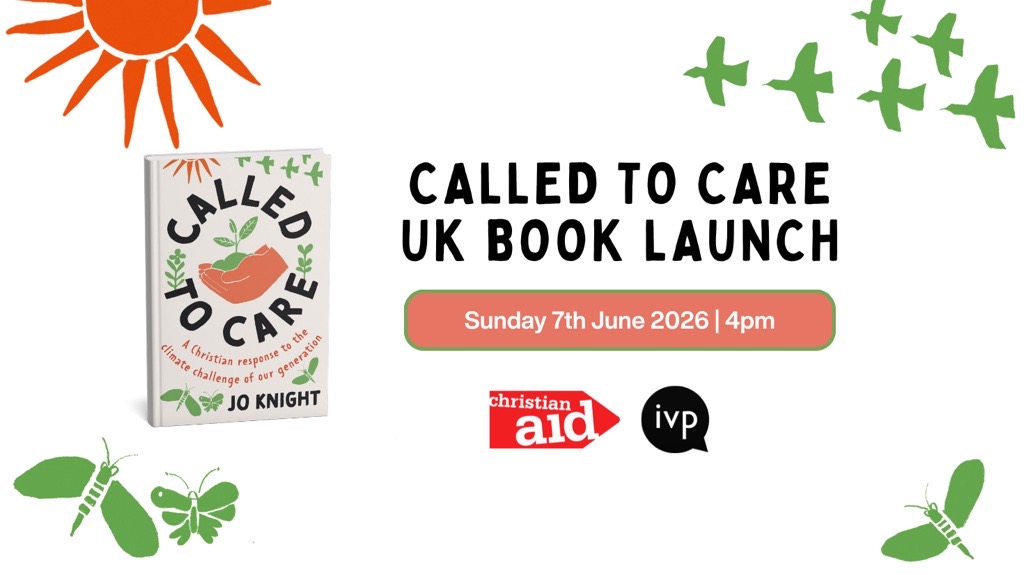
UK Launch of Called to Care by Jo Knight
28 May 2026
4
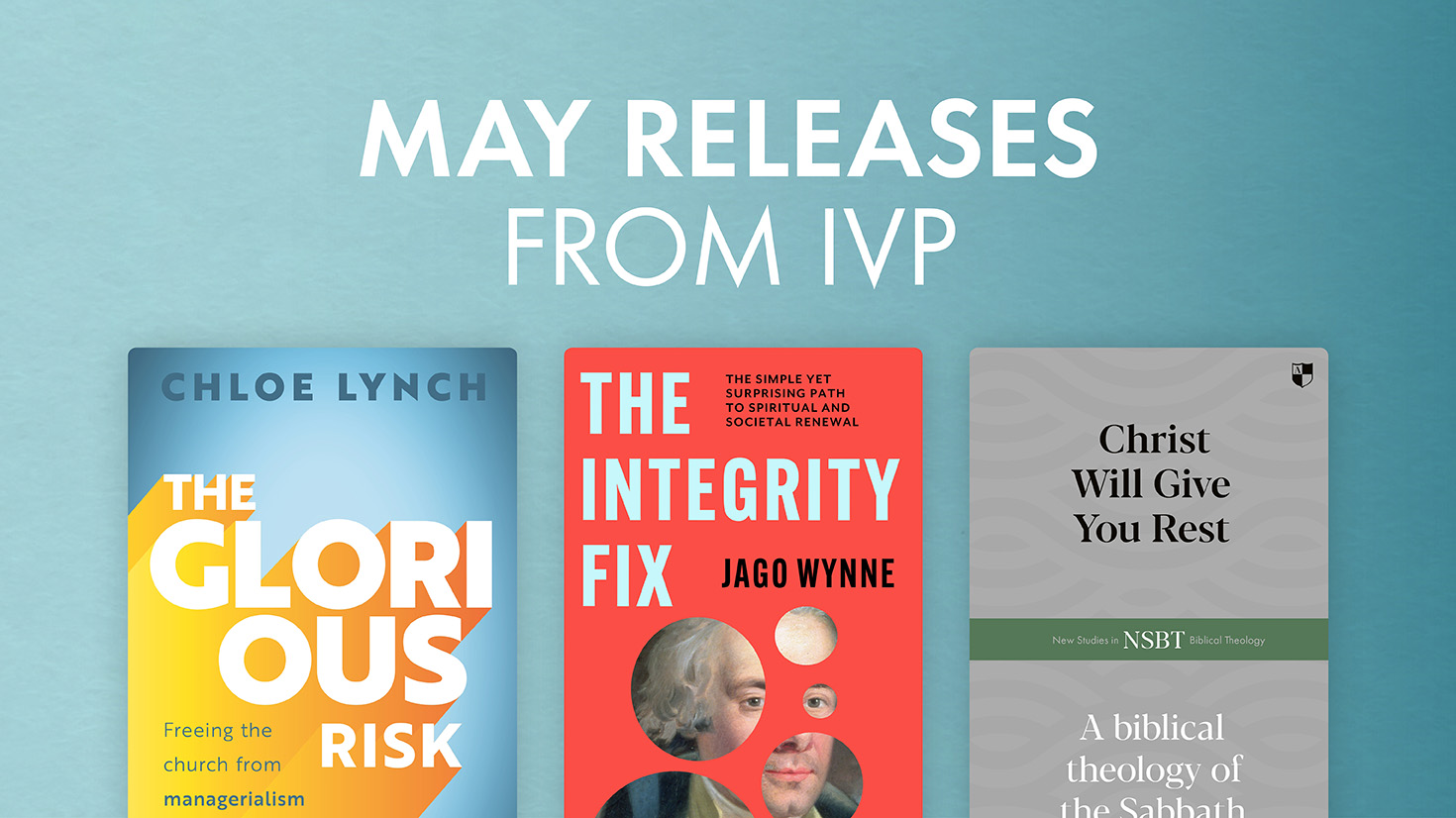
May New Releases
18 May 2026
Support IVP with your donation
Either donate with a one-off donation or subscribe monthly.
Choose a type of donation
I want to donate
 I want to donate