


 I want to donate
What is Biblical Theology? The Bible is a Divine Book
Biblical theology is not just “theology based on the Bible.” It is a discipline that seeks to shed light on the way the writers of the Bible looked at parts of scripture that preceded them and wove them into what they were writing, and how God himself unfolds his plan of redemption across time and across the pages of the Bible. It is about tracing key themes, and unpacking them to see how the whole Bible hangs together. In this post, Andy explores what it means to say that the Bible is a divine book.

The Bible was written by many people over many centuries, but ultimately, God is its author. This is the fundamental assumption that the biblical authors bring to the scriptures that preceded them. God was not only shaping his revelation for the people who originally received it, but was creating a body of revelation for all his people for eternity.
One consequence of that for our discussion is that the biblical references can not only point backwards in time (a NT writer quoting an OT passage), but even forward in time. God can reference something he has not done yet and those references come to fruition as time moves forward.
Think of the Passover. When God gave Moses and Aaron the regulations for the Passover meal, he was shaping the Hebrews to anticipate future events. Consider the details of the Passover meal. They were to put the lamb’s blood on the lintel of the doors. It could not be just any lamb; it had to be a perfect lamb, without blemish. None of its bones were to be broken in the process. The full meaning of these regulations was hidden for centuries until it was revealed when Christ, the lamb, was killed on the Passover.
In the New Testament, you see the writers looking back over their scriptures and making all kinds of new connections. We see this in relation to the Passover too. In the account of the crucifixion in John 19, Jesus is hanging on the cross with two criminals at his side. The criminals were still alive, so the soldiers broke their legs, but Jesus had already died, so his bones were left unbroken. John adds the conclusion, “These things happened so that Scripture would be fulfilled.” Then he quotes Exodus about the Passover Lamb: “Not one of his bones will be broken.” John is bringing a future perspective onto the significance of events in the past in saying, “This is actually about Jesus, and look, it has been fulfilled!”’
In his book, Reading Backwards, Richard Hays writes:
“To the writers of the New Testament, the meaning of the Old Testament text was not limited to the human author’s original historical setting, or to the meaning that could have been grasped by its original readers. Rather, Scripture is a complex body of texts given to the community of God, who had scripted the whole Biblical drama in such a way that it had multiple senses. Some of these senses are hidden so that they come into focus only retrospectively.”
Andy Patton is a worker at English L'Abri (podcast) and is the co-editor of the Three Things Newsletter. IVP has been publishing the New Studies in Biblical Theology, and a host of related resources, for many years.
If you'd like to dig deeper into Biblical Theology, why not check out the books below as a starting point!
Related Posts
Categories
Recent Posts
4
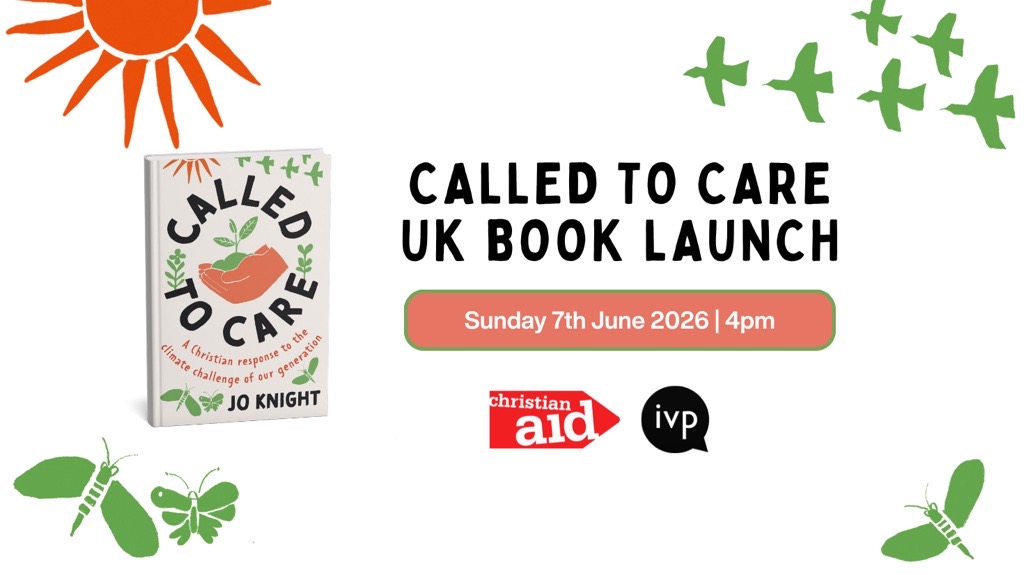
UK Launch of Called to Care by Jo Knight
28 May 2026
5
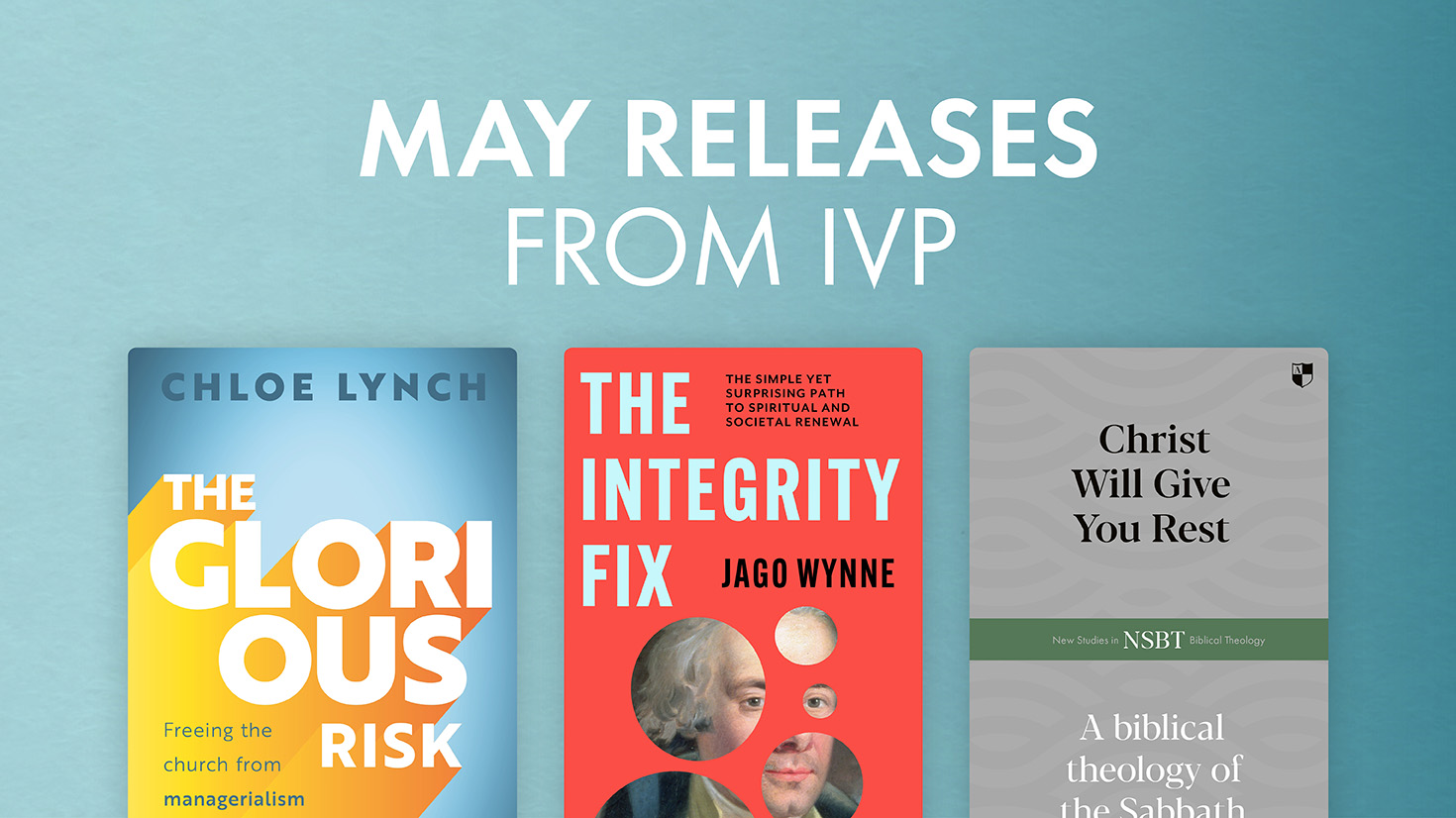
May New Releases
18 May 2026
Support IVP with your donation
Either donate with a one-off donation or subscribe monthly.
Choose a type of donation
I want to donate
 I want to donate