




 I want to donate
This is not a Commentary.
- Tom Creedy
- New Releases
- 24 May 2022
-
58views
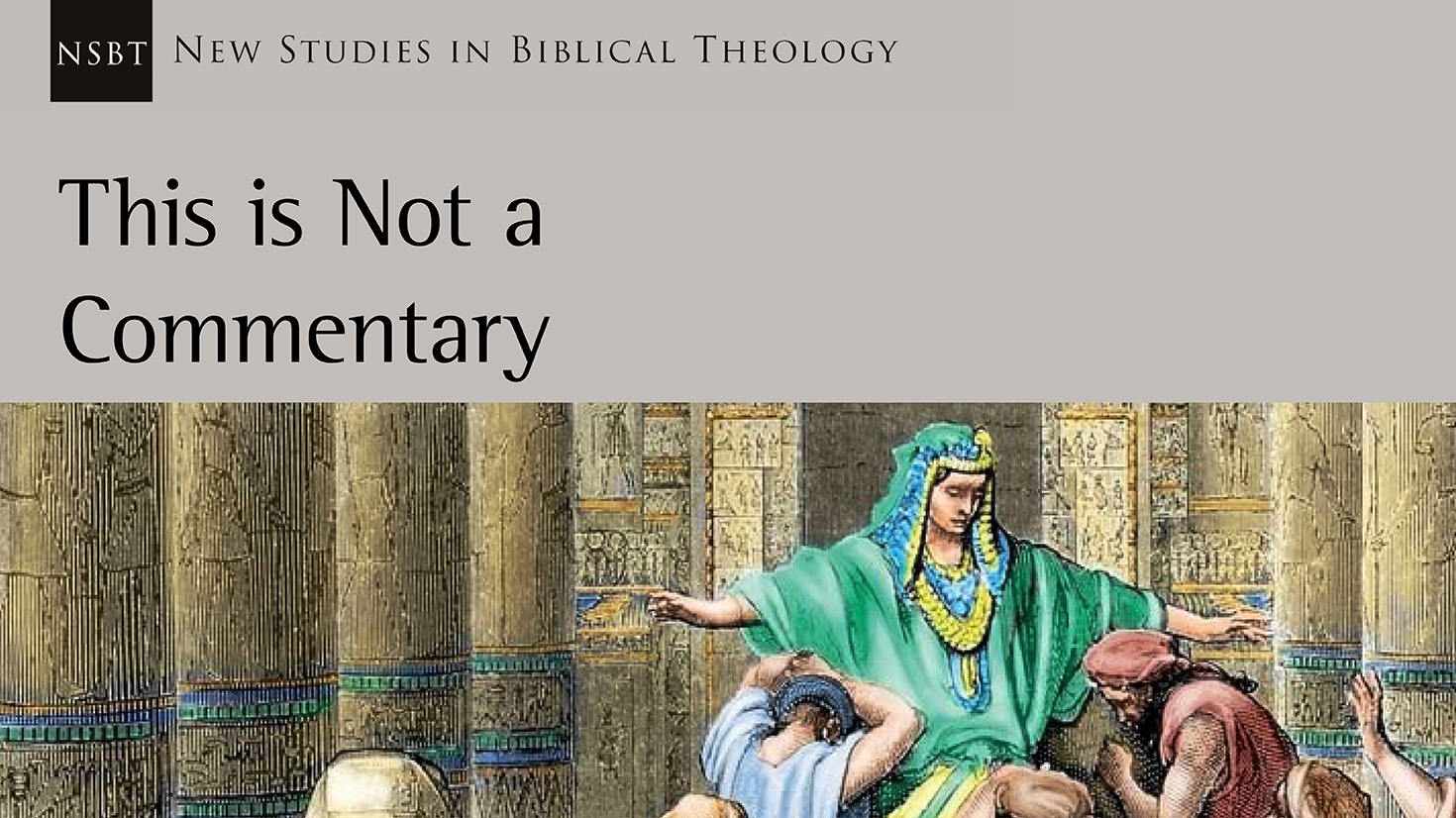
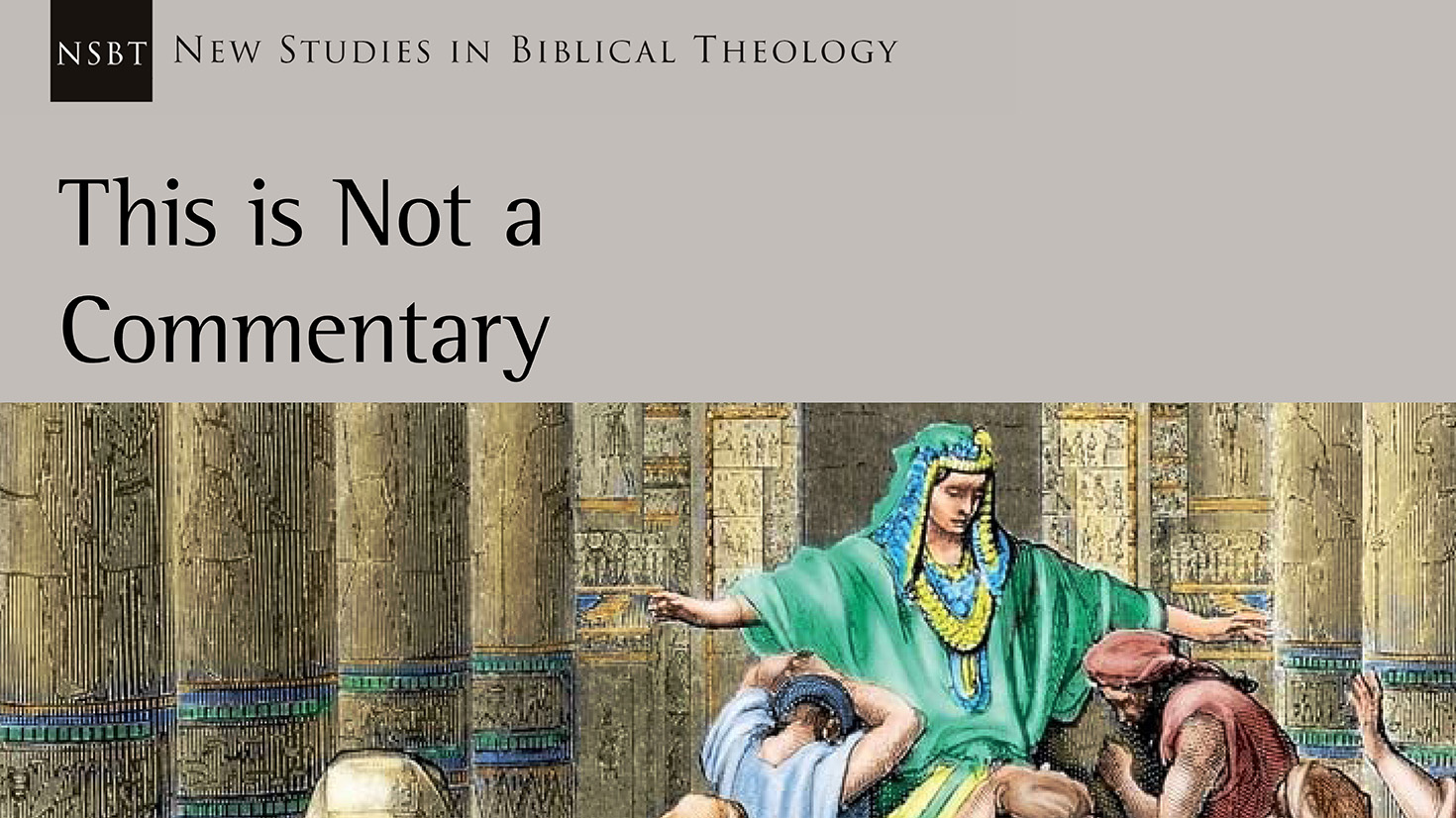
This book is not a commentary on Genesis 37 – 50. My interests are much narrower. This book will defend the notion that the Joseph story, understood according to its biblical-theological context, functions as the resolution to the plot of Genesis and that this story typologically influences how later biblical authors narrate redemptive history culminating in the New Testament’s portrayal of Jesus as an antitypical Joseph. My aim is to unfold a biblical-theological account of the Joseph narrative by exploring his redemptive-historical contribution to Genesis and by examining how later biblical authors develop the story of Joseph across the Old Testament. I am particularly interested in two questions. First, what is the literary and biblical-theological significance of the Joseph narrative as the conclusion to Genesis? Second, how do later biblical authors interpret and reuse the Joseph narrative?
With regard to Joseph’s biblical-theological function in Genesis, I will argue that Joseph provides the literary and biblical-theological resolution to the story of Genesis. Joseph is intimately linked to the Abrahamic covenant, functioning as the first major instantiation of the fulfilment of the Abrahamic promises. Joseph also provides resolution to (or sometimes more appropriately reversal of) the fractious, curse-ridden storylines developed in Genesis, such as fraternal conflict, famine and family deception. Furthermore, I will also demonstrate that Moses links the story of Joseph to the eschatological expectations established in Genesis (such as royal seed) and specifically to the hope for an eschatological king.
With regard to later biblical authors’ appropriation of the Joseph story, I will argue that Joseph is a model-character for faithfulness in exile, a harbinger of God’s exodus salvation, and an exhibition of the hope of glory through suffering. Later biblical authors saw the life of Joseph as the type of life that characterized how God worked among his people, particularly in fulfilling his promises. Some authors, such as Daniel, even modelled their autobiographies in part on the life of Joseph.
This biblical-theological treatment of the Joseph narrative lends credibility to the notion that Joseph prefigures the Messiah. Moses includes evidence within Genesis itself that Joseph foreshadows God’s future work in fulfilling his promises and undoing the curses established in Genesis 3. Later biblical authors, such as the author of Psalm 105, confirm this interpretation. Other authors reuse and incorporate material from the Joseph story into their own writings in order to present themselves or others as ‘new Josephs’. These ‘new Josephs’ develop the Joseph narrative across the pages of the Old Testament and thus provide the proper foundation for a truly canonical reading of Genesis 37 – 50. Finally, I will argue that this intra-canonical development of the story of Joseph culminates in the New Testament. The New Testament authors employ the Joseph narrative in the service of their Christological claims about Jesus of Nazareth, the one who recapitulates the life of Israel and the lives of Israel’s prominent Old Testament figures in a way that brings fulfilment to the story of the Old Testament. Consequently, the New Testament itself presents Jesus as the new and final Joseph.
From Prisoner to Prince: The Joseph Story in Biblical Theology is the 59th volume in our New Studies in Biblical Theology series, edited by D. A. Carson. You can order your copy now, in print or ebook, and we’ve gathered a few other related resources below to help you in your preaching, study and teaching on this intriguing biblical character.
Related Posts
Categories
Recent Posts
3

IVP Authors at Keswick Convention 2026
18 Jul 2026
Support IVP with your donation
Either donate with a one-off donation or subscribe monthly.
Choose a type of donation
I want to donate
 I want to donate