



 I want to donate
Sex Robots and Digital Assistants
- Tom Creedy
- Book Extracts
- 21 Dec 2020
-
463views
A living doll
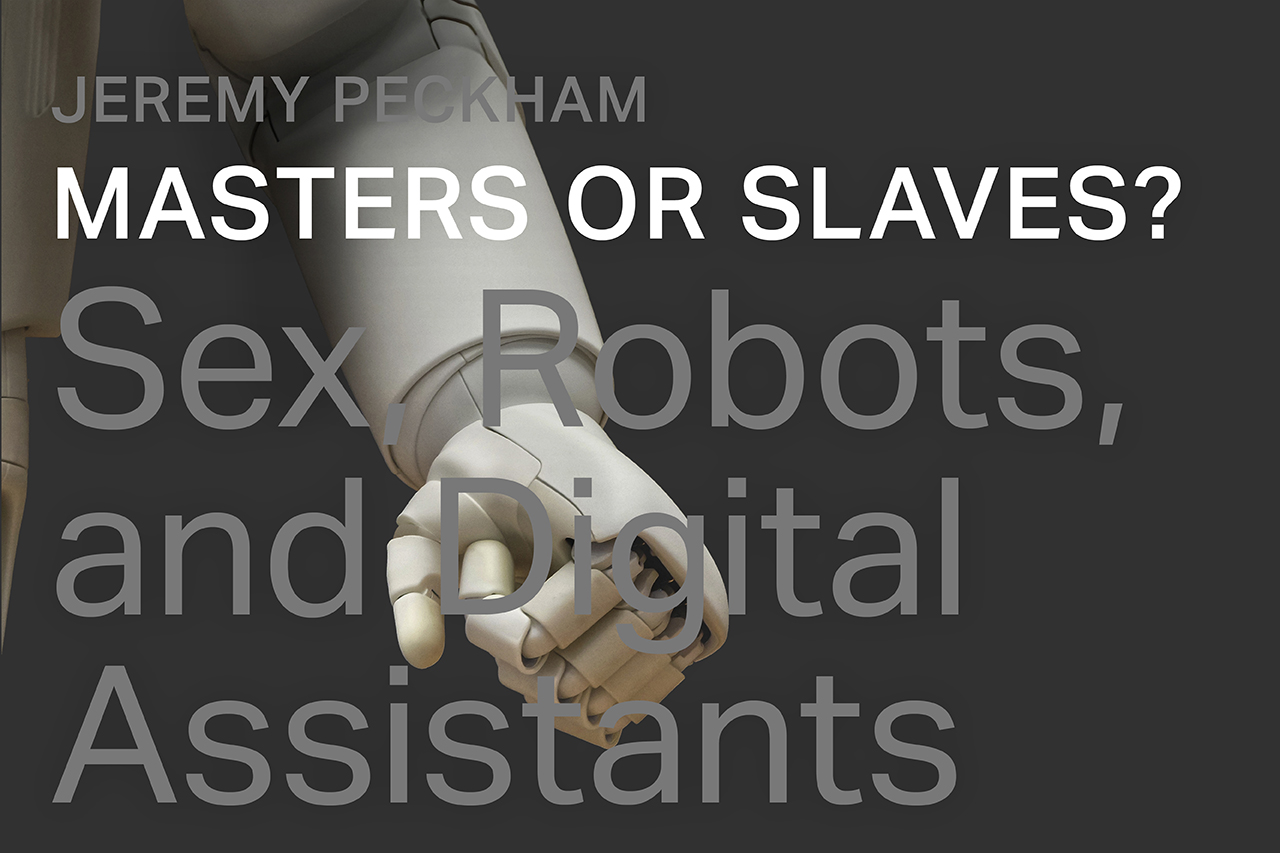
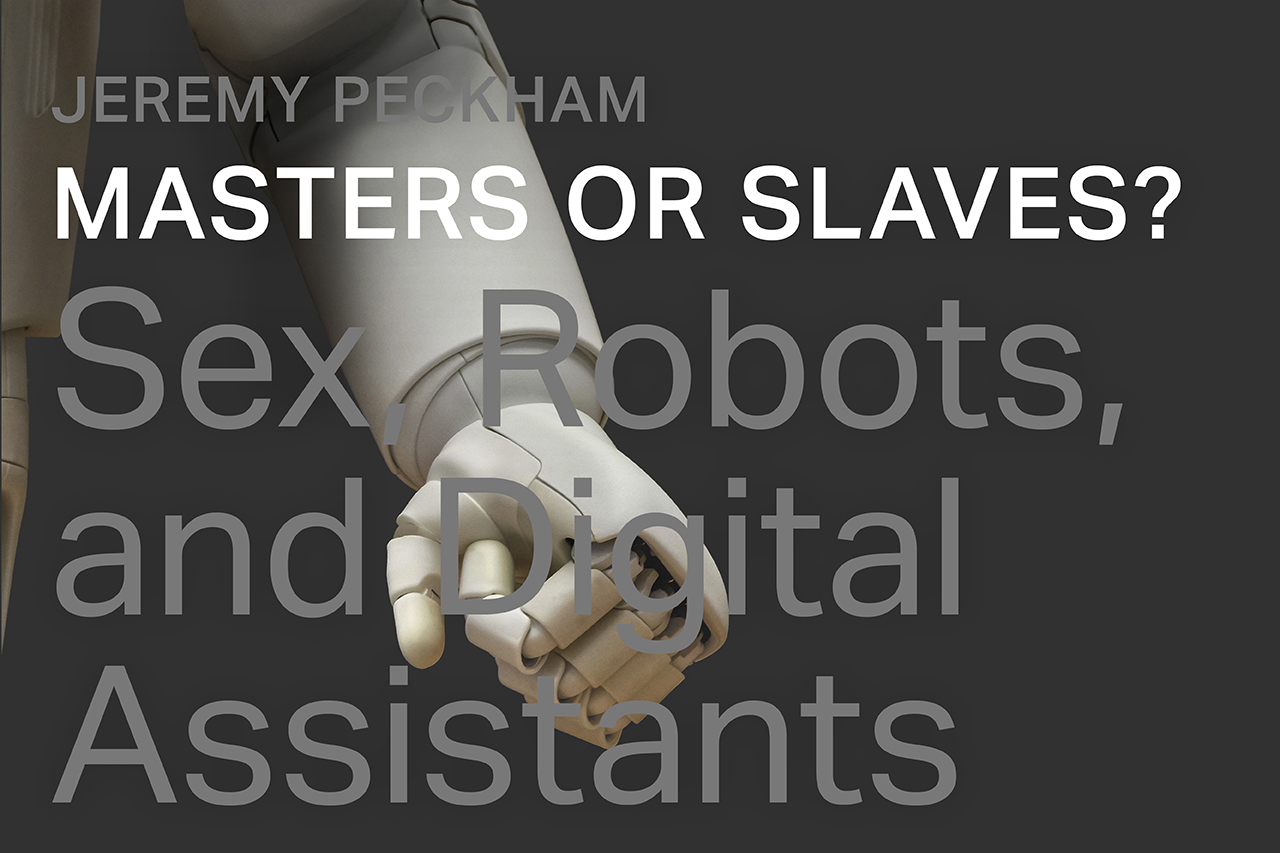
The use of AI in the sex industry is enormous, covering everything from online pornography to full-sized robots, modelled to look like a pretty girl with a soft silicon surface like skin. They feature realistic moving eyes and lips and an ability to hold a conversation with their owner. Some can cost tens of thousands of dollars, with additional sensors that respond to touch and built in heaters to create a feeling of body warmth. Some will have heads that can smile and speak, attempting to create an emotional connection. Catering for the transgender movement, one such robot even allows its owner to change the gender.
Given that the sex-tech industry alone is worth $30 billion, it’s not surprising that significant effort is being expended to create more and more lifelike female robots. One expert has predicted that the use of AI devices in the bedroom will be socially normal within 25 years, with machines providing a realistic sex experience. Harmony, an AI-enhanced sex doll, can tell jokes, hold a conversation with you and tell you its favourite films as well as remember things that you say to it. When asked, ‘What’s your dream?’, it will respond, ‘My primary objective is to be a good companion to you, to be a good partner and give you pleasure and well-being. Above all else, I want to become the girl you have always dreamed about.’
According to company that manufactures 'sex dolls', ‘We have had customers marry their dolls and say that we had saved their lives because they felt like they had nothing to live for after the death of a spouse or the end of a relationship.’
All of this is at odds with the fact that these robots, however lifelike, aren’t real.
Yet some inventors seem to have a hard time seeing the downsides of their creations and seek to portray them as fulfilling a social need.
A true sexual relationship is found in marriage and is based on mutual love, respect and empathy. To engage in a simulation of this goes against the natural order and is an affront to God, who created us and gave us the ability to enjoy intimacy as an expression of love. It’s not sufficient just to say that it doesn’t harm anyone – it harms the individual who engages with a sex robot and damages his or her humanity. It could also have knock-on effects in society in terms of how men treat real women when such men are used to a subservient artefact that doesn’t feel anything.
Robot technology is also finding its way into a very different sector of society: the aged in need of care and company. Although sex robots are made to look and behave as human as possible, care robots such as ‘Pepper’, capable of recognizing emotions, and ‘Robear’, designed to lift patients, don’t look anything like a human.
Bedside manners
Ageing populations living longer put increasing pressure on health services in most developed countries, while in developing economies basic access to healthcare is the issue. What better solutions to this problem than being able to ask Alexa about one’s health to avoid a visit to the doctor! What about care robots, automated image analysis, robot-aided surgery, online consultation and diagnosis and a host of other applications. On the surface these would seem to be good applications for AI and machine learning, and who would want to question the motives of people designing such technology?
Surely we can expect the health profession to use such technologies only for good. While there isn’t yet anything like the growing evidence for harm to humanity by such automation as there is in other areas, such as social media, some AI applications in healthcare should give us pause for thought.
Paro is a robot baby seal, much loved by many residents of care homes for dementia patients, where the same bonding that we noticed with children occurs. Those who have experienced caring for relatives afflicted by dementia will know how challenging it can be, so what could be wrong with the distraction and comfort that such robots can provide? Shannon Vallor, Professor at the Department of Philosophy, Santa Clara University, and a member of the Board of Directors of the Foundation for Responsible Robotics, raises an important question about the longer-term impact of such robots on family and carers:
My question is what happens to us, what happens to our moral character and our virtues in a world where we increasingly have more and more opportunities to transfer our responsibilities for caring for others, to robots? And where the quality of those robots increasingly encourages us to feel more comfortable with doing this, to feel less guilty about it, to feelin fact maybe like that’s the best way that we can care for our loved ones?
The same questions are also pertinent to the use of robots in healthcare as a substitute for hard-pressed nursing staff. A robot can easily lift patients and transfer them to a wheelchair or change their position in bed. Even with simulated human characteristics, connections with real people and the empathy that they can provide is lost.
Care staff will not help my elderly mother out of her chair in her own home on their own without mechanical assistance and at least two carers being pesent. A robot may be able to perform this task, but I know that what my mother really wants is an empathetic carer or family member to engage with her, give her confidence and talk to her as she struggles to get up and move about.
Do we eventually become a less caring society by delivering functional rather than compassionate care? These are some of the questions that we need to be asking in the context of the sort of society that we want to see now and in the future. Clearly, an alternative is to pay more for healthcare and to train and employ more people for service delivery. The real challenge for us here is what it does to love. Once again, we’re drawn back to that unique aspect of being made in the image of a loving God.
Are we in danger of becoming less loving, colder, satisfied to know that at least my mum is able to get to the toilet because a robot is helping her? When we let go of love, it’s an affront to God, who is love and who made us in his image to reflect, however poorly in this life, that image.
If this brief extract has piqued your interest, then you can order Jeremy's new book Masters or Slaves? AI and the Future of humanity now!
Related Posts
Categories
Recent Posts
3

IVP Authors at Keswick Convention 2026
18 Jul 2026
Support IVP with your donation
Either donate with a one-off donation or subscribe monthly.
Choose a type of donation
I want to donate
 I want to donate