



 I want to donate
How Gratitude Can Heal a Divided World: Girma Bishaw on The Gratitude Way
- Rochelle Owusu-Antwi
- Blog
- 30 Oct 2025
-
145views

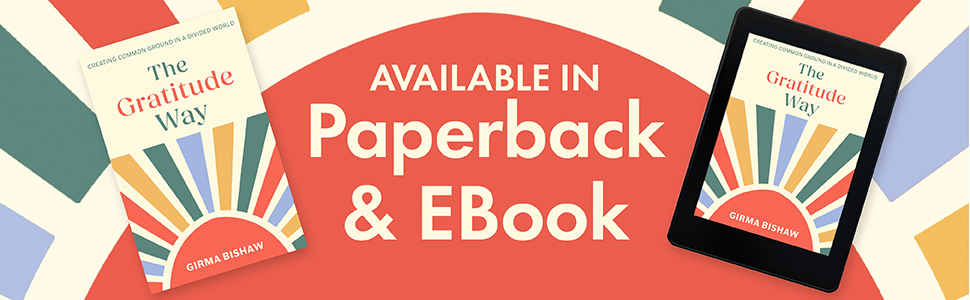
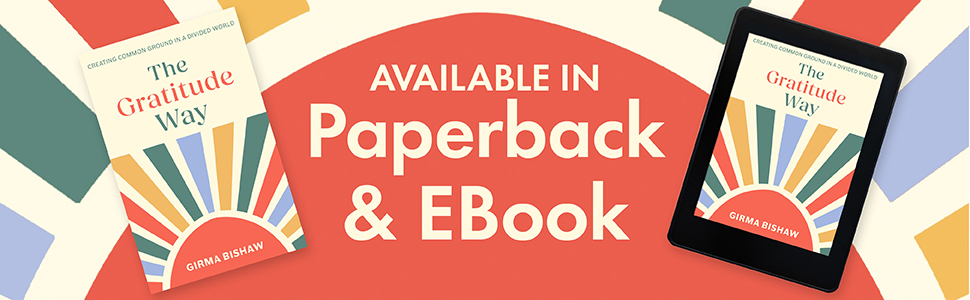
Many people think of gratitude as a private virtue, but Girma Bishaw believes it has the power to restore unity in a divided world. In his new book, The Gratitude Way: Creating Common Ground in a Divided World, Girma draws on 1 Corinthians 4:7 to show how a biblical understanding of gratitude can transform not only individuals but entire communities. In this Q&A, he shares the story behind the book, his hope for the church today, and why gratitude may be one of the most powerful ways we can reflect God’s grace in a fractured world.
1. Can you tell us a bit about your new book and what led you to write it?
I have two primary motivations behind writing this book, one is more positive while the other corrective.
First, whenever I presented on the concept of gratitude and its broader societal implications, particularly how it can function as both a framework and a catalyst for fostering constructive dialogue and new beginnings, I was often asked where people could go to learn more. I thought it was important to create a comprehensive resource that would provide greater depth and accessibility to these ideas.
Second, because “gratitude” is such a familiar term, many people assumed that their understanding of it the same with my own, which at times led to misinterpretation. I wanted to give a fuller account of what I mean by gratitude and to articulate its significance not only for individuals but also as a powerful force on communication and communal harmony.
I hope this book will speak into the current cultural and spiritual climate by reminding us of the importance of beginning conversations from a place of gratitude and shared values, rather than division. Increasingly, our society feels polarised. Too often, when we encounter someone with a different political opinion, we see them as an enemy rather than as a fellow citizen who also cares deeply about our country. We begin with problems instead of with the common ground we already share.
“Who makes you different from anyone else? What do you have that you did not receive? And if you did receive it, why do you boast as though you did not?”
(1 Corinthians 4:7)
2. What is the central message or biblical truth you hope readers will take away?
The central biblical truth of this work could be summarised through Paul’s rhetorical interrogation of the Corinthian church: “Who makes you different from anyone else? What do you have that you did not receive? And if you did receive it, why do you boast as though you did not?” (1 Cor. 4:7). Within a community characterised by ethnic heterogeneity, diverse gifts, and deep-rooted socio-economic disparities, Paul finds the source of division not merely in external differences but in a fundamental failure of gratitude. Theologically, his argument reveals a wholesome doctrine of grace: all distinctions of identity and gifting originate and proceeds from God’s sovereign economy of giving.
Gratitude, therefore, is not seen as a secondary virtue but as a theological disposition that reorients the community toward God as the singular source of life and gifting. Proper recognition of divine gifting puts human hierarchy into perspective, resists prideful superiority, and cultivates true fellowship as the concrete expression of a reconciled community. In this sense, Paul’s admonition frames unity not as an achievement of human effort but as a lived response to the gift of God, a reality that both grounds and governs the church’s identity and mission.
3. How do you hope this book will speak into the current cultural or spiritual climate?
Take the issue of asylum seekers, for example. Public discussions frequently begin with concerns about boats crossing the Channel. This starting point immediately divides people, those who raise concerns are quickly labelled as anti-immigrant, and the narrative risks painting Britain as hostile to migrants. But if we began instead by acknowledging and celebrating the fact that Britain has welcomed people from all over the world for over a century, we could approach today’s challenges with a completely different posture, one shaped by gratitude rather than fear.
The deeper issues of identity and culture also play a role in our divisions. For too long, we have neglected to celebrate the values and traditions that once helped us live together in harmony. Celebration itself is a form of communication; it affirms what we cherish most. We cannot truly unite our country through protest alone, because protest, by its nature, is reactive. It often springs from feelings of powerlessness and, in its extremes, can even lead us away from the very values that have shaped us as a nation.
Celebration, on the other hand, is proactive. It acknowledges and affirms the good, and in doing so, strengthens it. What we celebrate, we promote; what we ignore, we risk losing. My hope is that this book invites us back into a posture of gratitude and celebration, so that we can recover not only what is best in our culture, but also the soul of our nation.
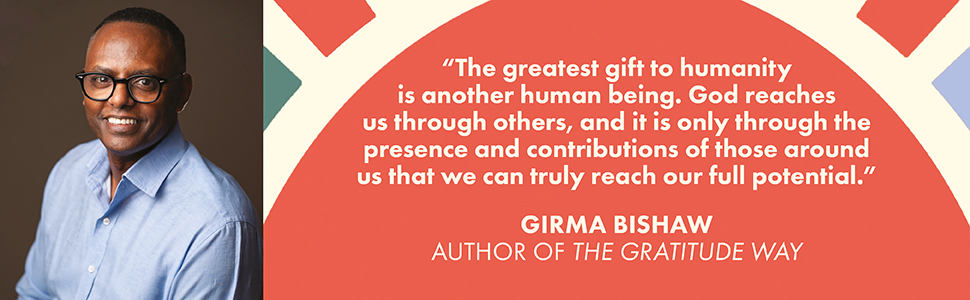
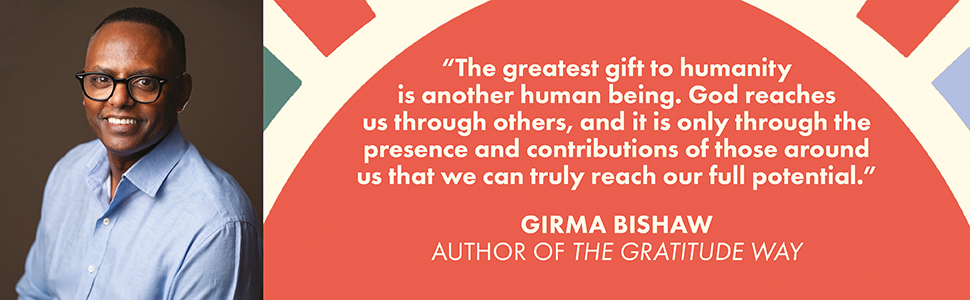
“Gratitude, therefore, is not seen as a secondary virtue but as a theological disposition that reorients the community toward God as the singular source of life and gifting.”
4. Who do you hope will pick this book up - and how do you hope it will encourage or challenge them?
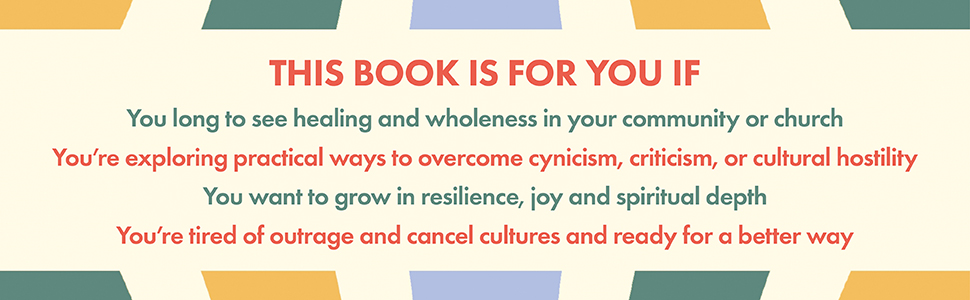
I anticipate that my primary readers will be church and para-church leaders, along with those engaged in community work and development. I also hope to reach lay members of the church who care deeply about the condition of our nation, as well as individuals involved in politics in various ways. Theological colleges and ministry training centres could also use it as a textbook to help students consider gratitude as a theological vision. Since gratitude is intrinsic to discipleship and mission, my hope is that every Christian will be encouraged to read it.
Girma Bishaw’s message is both simple and profound: gratitude changes everything. It reshapes how we see God, one another, and the challenges we face. May this book encourage us all to begin our conversations, and our lives, from a place of gratitude.


Related Posts
Related Products
The Gratitude Way
From £12.99
Categories
Recent Posts
4
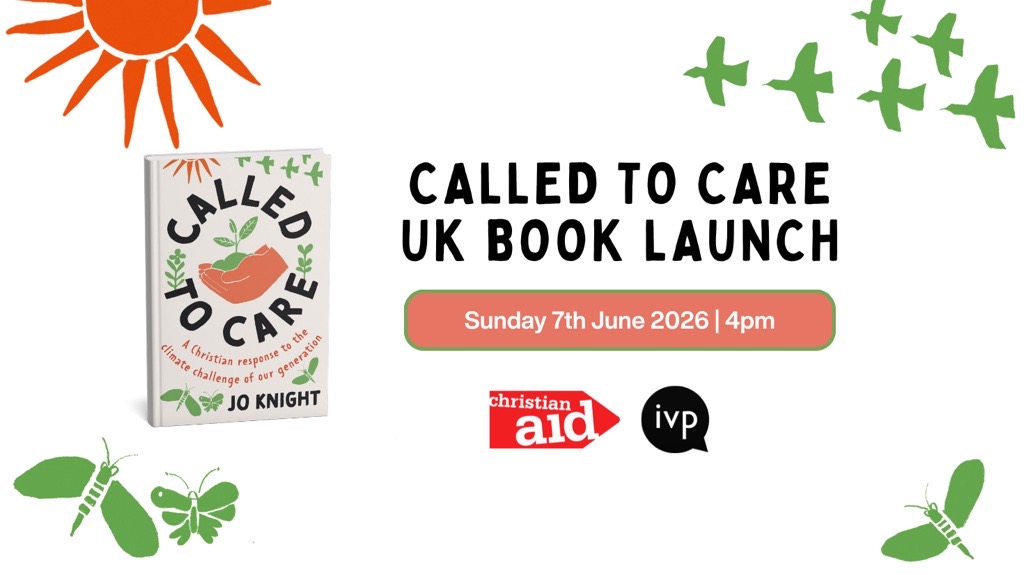
UK Launch of Called to Care by Jo Knight
28 May 2026
5
May New Releases
18 May 2026
Support IVP with your donation
Either donate with a one-off donation or subscribe monthly.
Choose a type of donation
I want to donate
 I want to donate