



 I want to donate
A Poet You Should Know: Phillis Wheatley
- Awareness Days
- 14 Oct 2020
-
113views
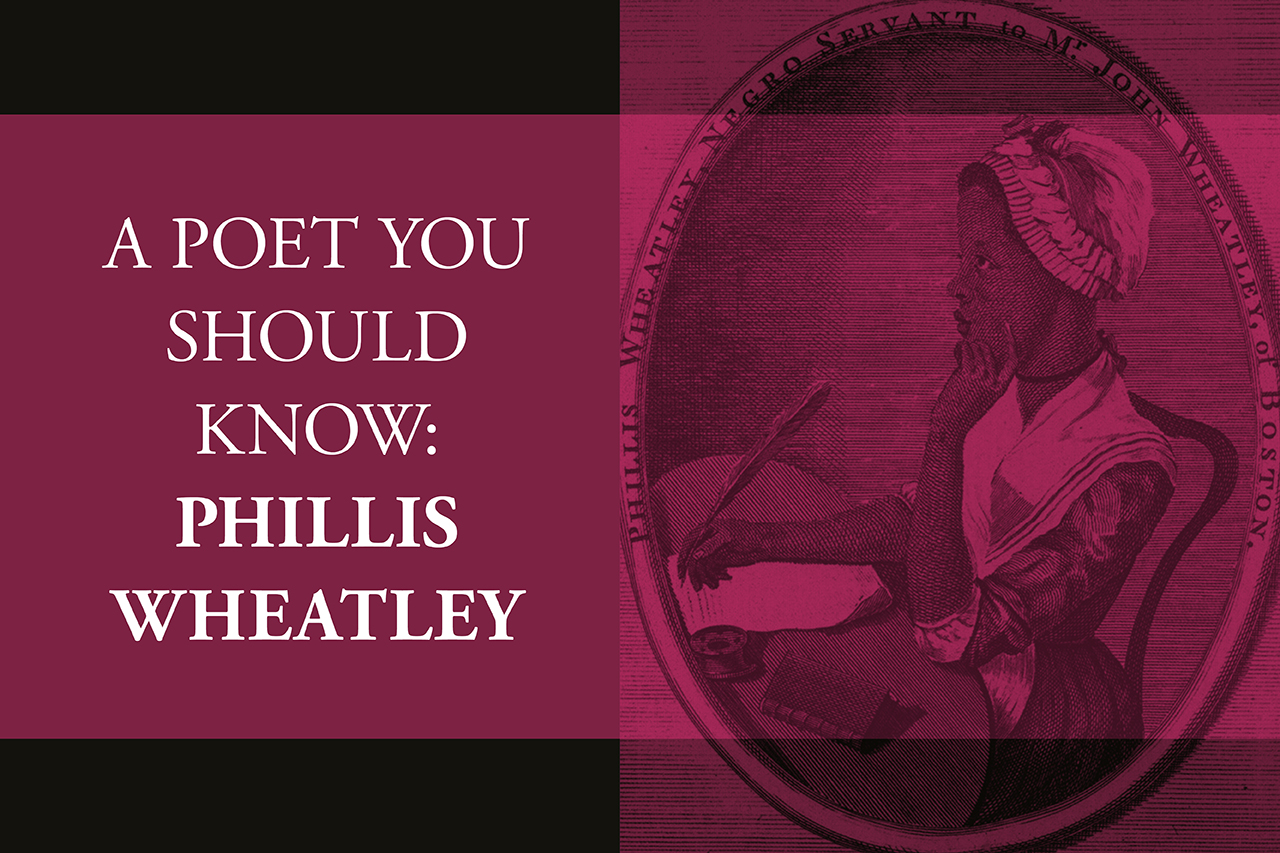
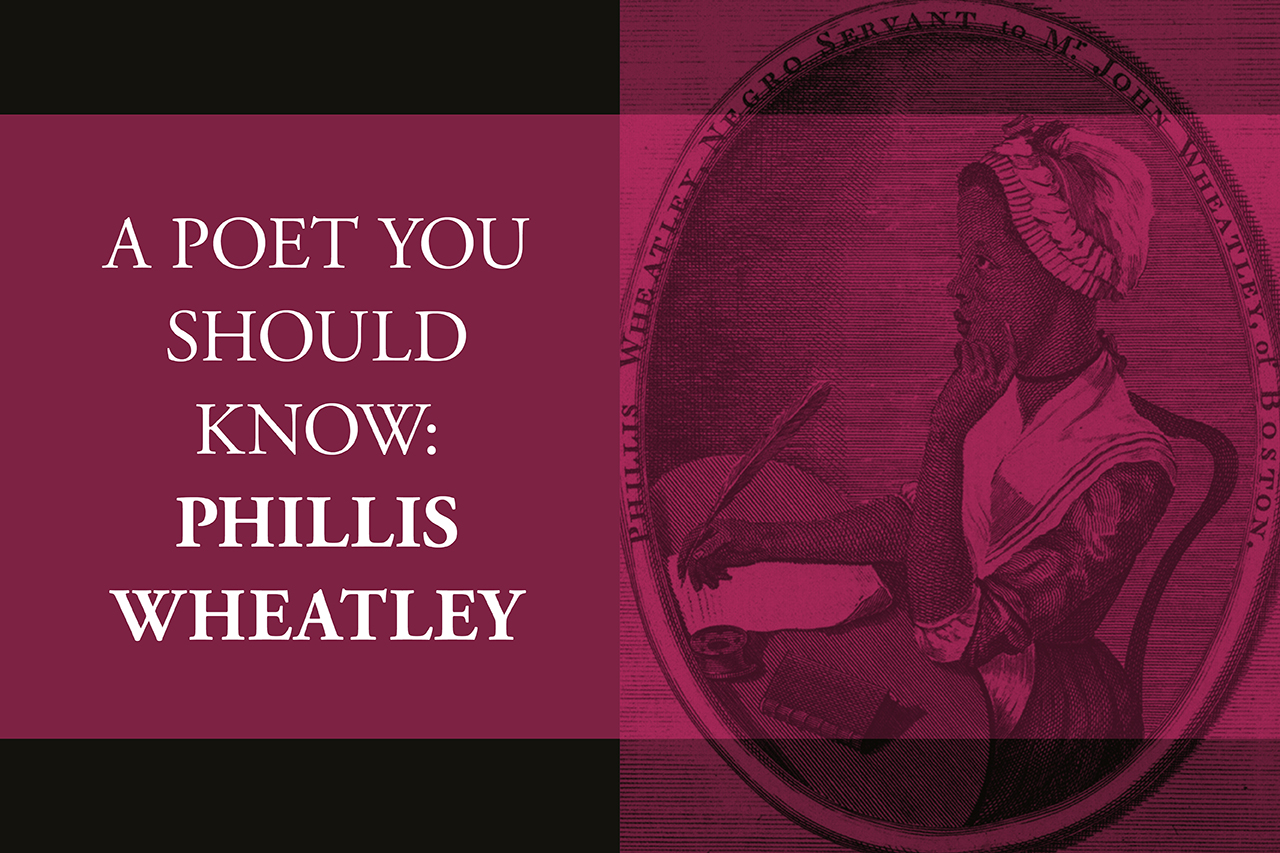
How can we reckon with centuries of racism? How can the church of Christ begin to cross the divides that exist? Part of that must involve attempting to listen to an learn from the stories we do have access to - as well as remembering that there are many people whose stories have not survived. Here is a snippet from Black Voices, a book published by IVP back in 2007. We present it with light edits for context.
PHILLIS WHEATLEY c. 1753–84: Providence in adversity?
Phillis Wheatley was born in West Africa, but taken to Boston on a slave ship called Phillis in 1761. She was bought by John and Susanna Wheatley (he was a Boston merchant) and employed as a domestic servant. Phillis learned to read and her precocious talent for writing poetry was encouraged by her mistress. Some of her poems were published in Boston newspapers. It was not uncommon for Christian slaves and free blacks in the Americas to describe their forced removal from Africa to America as being in God’s providential plan, which Phillis does in this poem:
On being brought from AFRICA to AMERICA.
’TWAS mercy brought me from my Pagan land,
Taught my benighted soul to understand
That there’s a God, that there’s a Saviour too:
Once I redemption neither sought nor knew.
Some view our sable race with scornful eye,
‘Their colour is a diabolic die.
Remember, Christians, Negros, black as Cain,
May be refin’d, and join th’ angelic train.
Source: Phillis Wheatley, Poems on Various Subjects, Religious and Moral (London, 1773), p. 18. See further: Phillis Wheatley: Complete Works, ed. Vincent Carretta (London, 2001).
Other extended quotations from Phillis Wheatley extracted in Black Voices include a letter denouncing slavery "...for in every human Breast, God has implanted a Principle, which we call Love of Freedom; it is impatient of Oppression, and pants for Deliverance . . . I will assert, that the same Principle lives in us. God grant Deliverance in his own Way and Time . . .'"; and a witty but measured reply as to why she should not return to West Africa as a missionary.
Phillis Wheatley’s poem on the death of the evangelist George Whitefield attracted the attention of people in Britain. Phillis met the great preacher at the Wheatleys’ home shortly before his death. Among Whitefield’s principal supporters in Britain was Selena Hastings, Countess of Huntingdon. Phillis addressed her poem on Whitefield’s death to the Countess, and as a result she became widely known in England, a country she visited briefly in mid 1773. On her return to America, Phillis was given her freedom; she married and had several children.
On the Death of the Rev. Mr. GEORGE WHITEFIELD. 1770.
Behold the prophet in his tow’ring flight!
He leaves the earth for heav’n’s unmeasur’d height,
And worlds unknown receive him from our sight.
There Whitefield wings with rapid course his way,
And sails to Zion through vast seas of day.
Thy pray’rs, great saint, and thine incessant cries
Have pierc’d the bosom of thy native skies.
Thou moon hast seen, and all the stars of light,
How he has wrestled with his God by night.
He pray’d that grace in ev’ry heart might dwell,
He long’d to see America excel;
He charg’d its youth that ev’ry grace divine
Should with full lustre in their conduct shine;
That Saviour, which his soul did first receive,
The greatest gift that ev’n a God can give,
He freely offer’d to the num’rous throng,
That on his lips with list’ning pleasure hung.
‘Take him, ye wretched, for your only good,
Take him ye starving sinners, for your food;
Ye thirsty, come to this life-giving stream,
Ye preachers, take him for your joyful theme;
Take him my dear Americans, he said,
Be your complaints on his kind bosom laid:
Take him, ye Africans, he longs for you,
Impartial Saviour is his title due:
Wash’d in the fountain of redeeming blood,
You shall be sons, and kings, and priests to God’ . . .
Source: Phillis Wheatley: Poems on Various Subjects, Religious and Moral (London, 1773), pp. 22–24.
This post was originally published during Black History Month (October) 2020 - you can find some of IVP's resources for the ongoing conversation on race and Christianity below.
Related Posts
Categories
Recent Posts
4
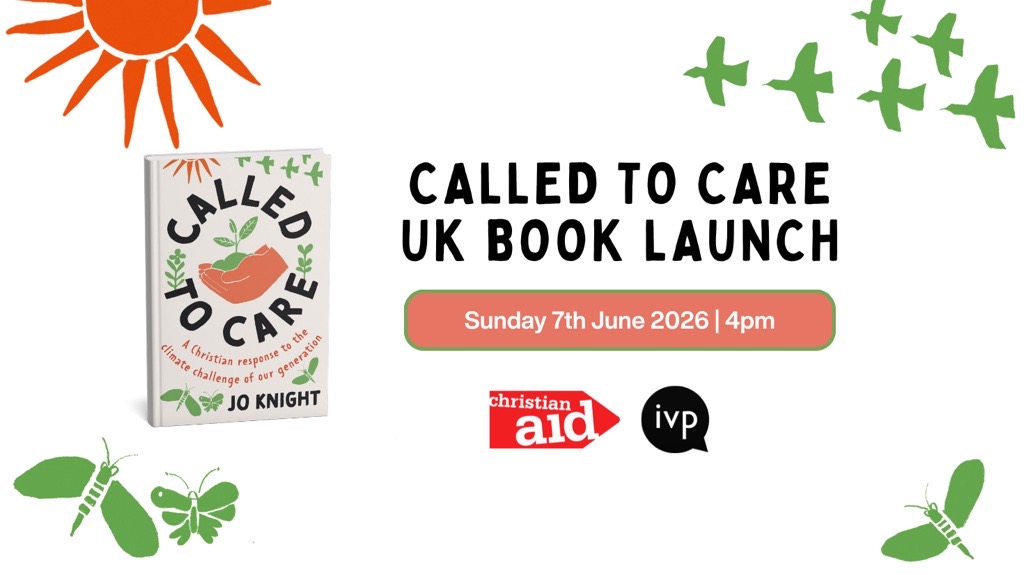
UK Launch of Called to Care by Jo Knight
28 May 2026
5
May New Releases
18 May 2026
Support IVP with your donation
Either donate with a one-off donation or subscribe monthly.
Choose a type of donation
I want to donate
 I want to donate